Daniel Mercer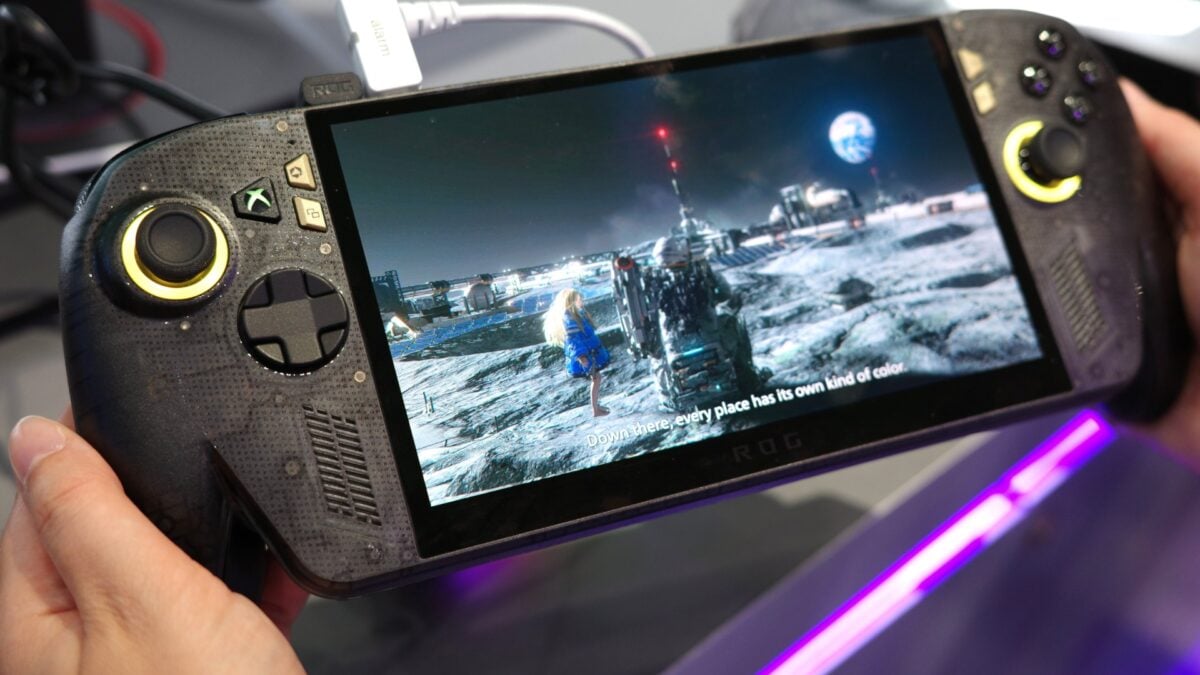

OLED handheld gaming devices are superior in many ways. Consider the Nintendo Switch OLED, which showcases enhanced visuals. The Steam Deck OLED successfully addressed the remaining issues of the original 2022 handheld PC. Similarly, the new Asus ROG Xbox Ally X20 rectifies several minor flaws found in the original Xbox Ally X. be prepared to invest a substantial amount for this device.
I briefly tested the new ROG Xbox Ally X20, and it’s evident that this model represents the pinnacle of handheld gaming technology. The screen now measures a generous 7.4 inches, an upgrade from the previous model’s 7 inches. This increase in size was achieved by minimizing the bezels, allowing for a more immersive experience with Asus’ Nebula OLED display.
Even in a dimly lit, crowded conference hall, the X20’s display impressed with its brightness and clarity. This is attributed to its impressive specifications, including a peak brightness of 1,000 nits in HDR and 600 nits in SDR. The screen supports VESA DisplayHDR True Black 1000 and boasts a 120Hz refresh rate, supplemented by AMD FreeSync for a smooth gaming experience.
Among its OLED counterparts, the Ally X20’s display is remarkable. For instance, a $2,000 Legion Go 2 features an 8.8-inch OLED that is glossier, providing vibrant visuals but with a notable risk of glare. In contrast, the Xbox Ally X20 is equipped with an antireflective coating, effectively minimizing glare even under bright lights in bustling environments.
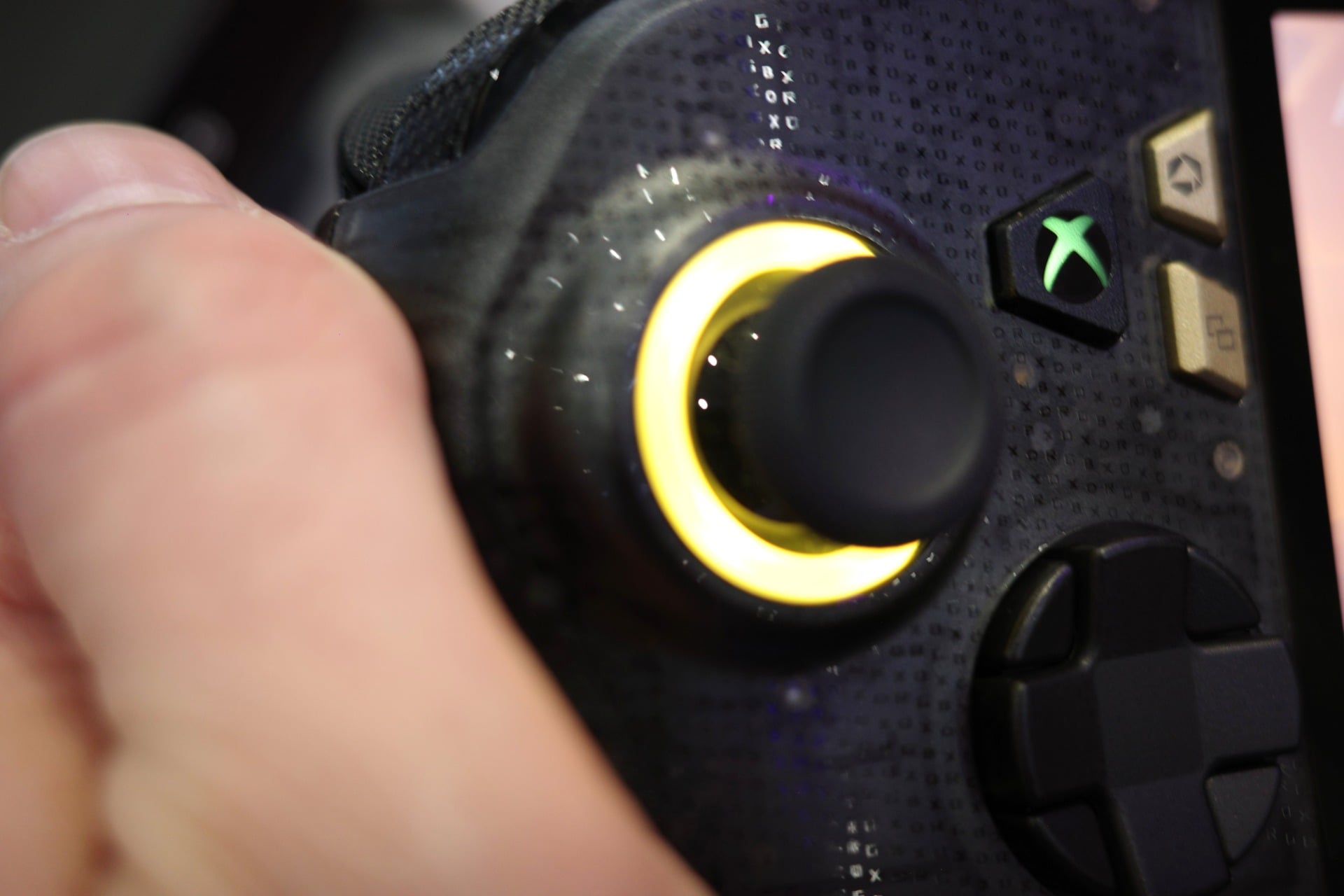
Asus upgraded its joysticks to TMR sticks, which utilize tunneling magnetoresistance technology. This advancement significantly minimizes the risk of erroneous inputs caused by stick drift. The new sticks also feature metallic caps, providing a smooth tactile experience. Asus has also incorporated RGB lighting effects that respond to the movements of the sticks.
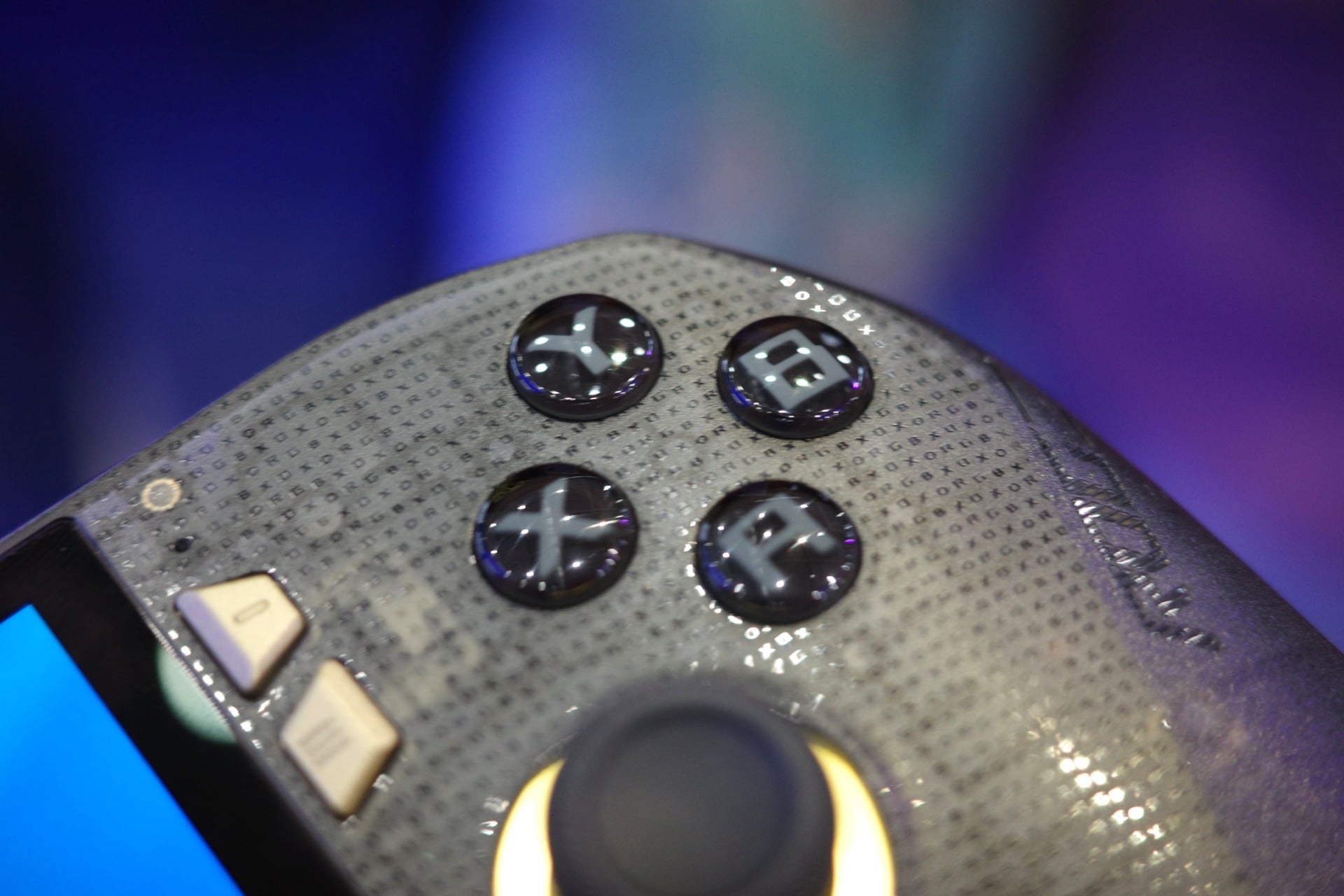
Several smaller modifications enhance the comfort and usability of the device. The back of the unit now includes rubberized grips for a more secure hold. The controls feature a “transforming D-pad” that can lift and rotate, making it easier to navigate diagonally. Further refinements include lower-profile face buttons, ensuring that the “B” button doesn’t protrude from the side of the grip.
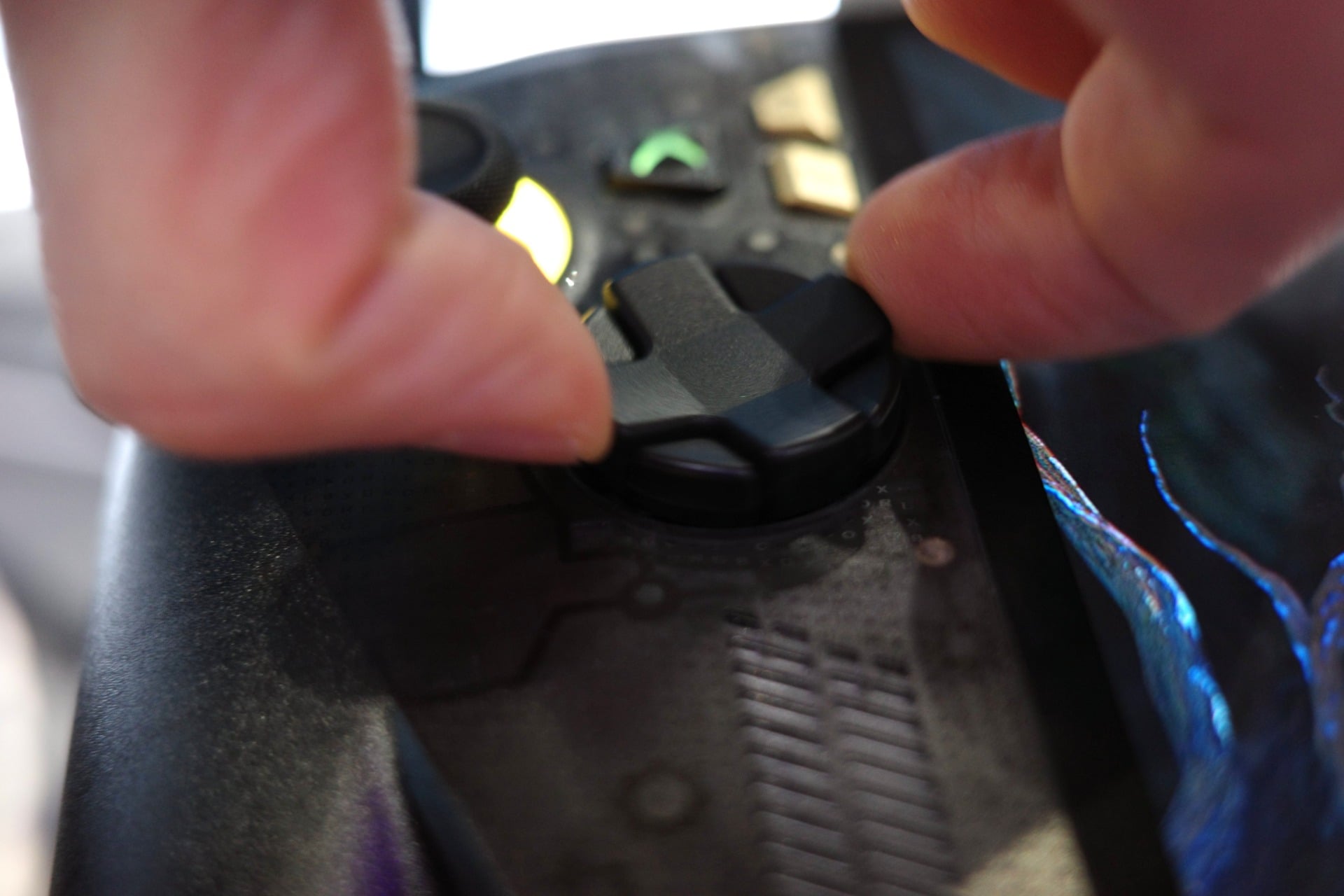
These enhancements to the display and casing do not compromise the performance of the device. It continues to utilize the AMD Ryzen Z2 Extreme APU from the previous model, which provides robust performance for a wide range of games, including demanding AAA titles. The specifications remain impressive, with 24GB of RAM and a 1TB SSD.
Emerging systems powered by Intel’s ARC G3 Extreme have demonstrated superior performance capabilities compared to AMD’s latest handheld chip. these devices are not budget-friendly. MSI informed Gizmodo that they plan to launch the upcoming Claw 8 Ex AI+ with an Intel processor at an MSRP of $1,500. Meanwhile, Asus has only showcased the X20 bundled with its ROG XReal R1 AR glasses, which are priced separately at $850.
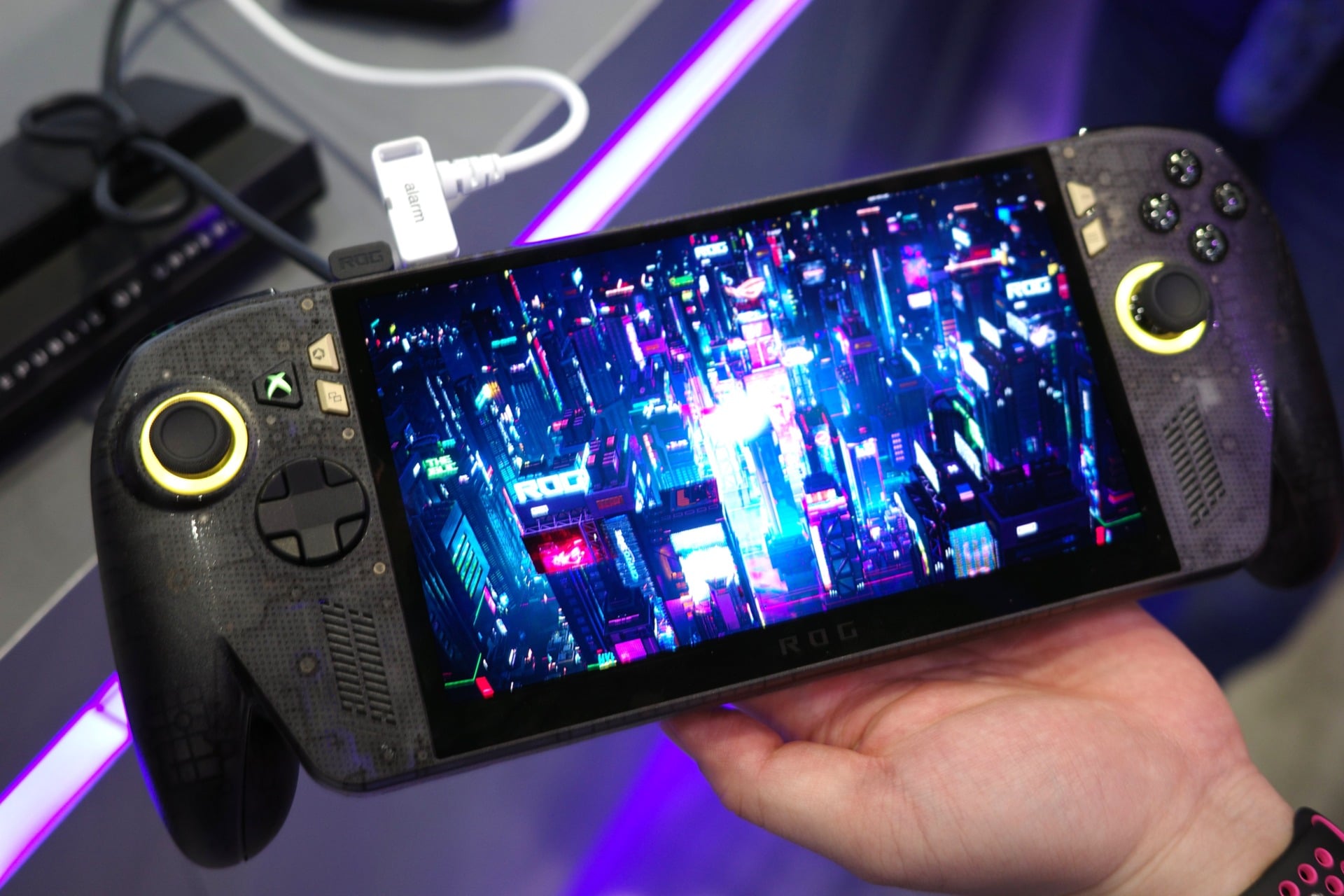
Asus mentioned to Gizmodo that they are exploring “à la carte options” to offer the handheld independently from the glasses. This would be a favorable move, as if the ROG Xbox Ally X20 is priced below $1,500, it could be a compelling choice. The handheld is expected to be released later this year.
Even suggesting that $1,400 is a reasonable price for a handheld in 2026 feels somewhat uncomfortable. Fortunately, Asus has resisted the urge to raise the ROG Xbox Ally X to $1,000, at least for now. This system currently presents the best value in handheld gaming, especially after Valve increased the price of the Steam Deck OLED last month. it appears that any mobile gaming device you consider may come with a hefty price tag.



 Ethan Carter