 Troy Sanders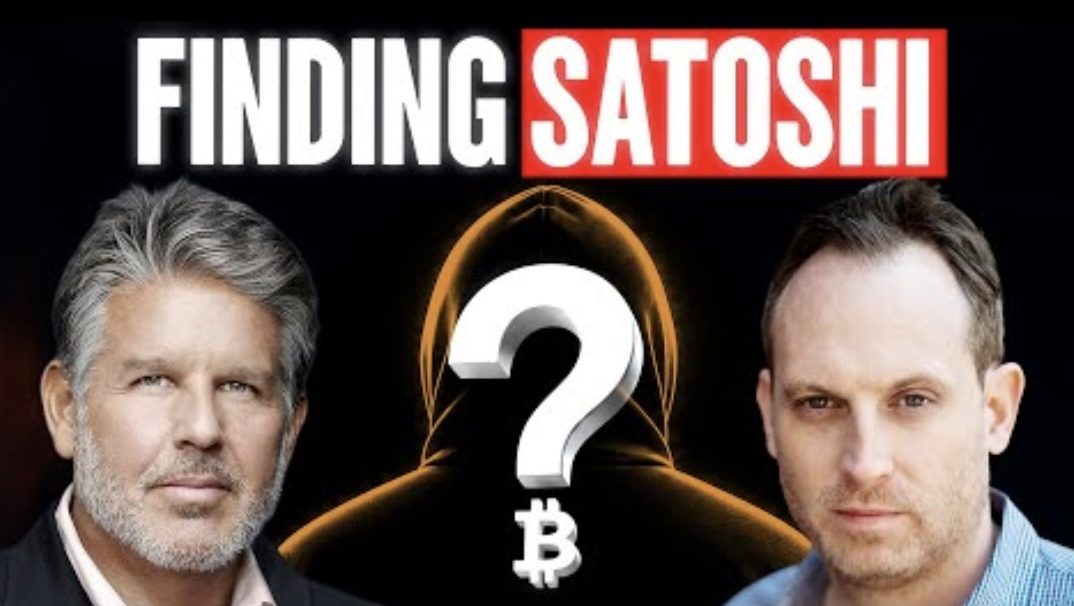

In April 2026, a remarkable development occurred in the ongoing quest to uncover the true identity of Satoshi Nakamoto, the enigmatic creator of Bitcoin. For the first time in seventeen years, two comprehensive and serious investigations emerged within days of each other, each reaching its own conclusion and suggesting differing identities for Nakamoto. This week, the debate gained national attention as CNN’s Jim Sciutto engaged with the lead investigators of Finding Satoshi in a digital short that quickly gained traction on CNN’s social platforms. The segment amassed nearly 100,000 views on Facebook, over 8,000 likes on Instagram, and more than 6,500 likes on TikTok, with 813 shares, indicating a strong and engaged audience rather than passive consumption.
Finding Satoshi, a documentary that premiered on April 22, 2026, and is accessible at FindingSatoshi.com, showcases the results of a rigorous four-year forensic investigation into the origins of Bitcoin and its creator’s identity. Directed by Matthew Miele and Tucker Tooley, the film was produced by Tooley, Jordan Fried of Fried Films, and Happy Walters. The investigation was spearheaded by William D. Cohan, a New York Times bestselling author and a long-time contributor to the Wall Street Journal, alongside Tyler Maroney from Quest Research & Investigations. This extensive inquiry, which spanned four years, relied on original reporting, forensic analysis, and previously unseen evidence, documenting over twenty individuals. Former FBI behavioral analyst Kathleen Puckett provided a psychological profile of Satoshi, based on the digital footprints and communications left by the creator. Notable figures like Michael Saylor, Fred Ehrsam, Joseph Lubin, Bill Gates, and Gary Gensler made appearances in the film.
Viewer reactions to the film were overwhelmingly positive. Brian Armstrong, CEO of Coinbase, expressed his belief that the investigation had arrived at the correct conclusion, calling it the most insightful exploration of the topic he had encountered. Vijay Selvam, author of Principles of Bitcoin, praised it as the best documentary on Bitcoin to date. Nic Carter remarked that it was the first investigation into Satoshi’s identity he found genuinely rigorous.
Just eleven days prior to the release of Finding Satoshi, Pulitzer Prize-winning journalist John Carreyrou published a significant investigation in the New York Times that reached a contrasting conclusion. Carreyrou, known for his exposé on Theranos and Elizabeth Holmes, dedicated a year to investigating Bitcoin’s origins and identified British cryptographer Adam Back as the creator. Back’s contributions to Bitcoin’s intellectual history are significant and well-documented. He developed Hashcash, was involved in the cypherpunk movement that influenced the Bitcoin white paper, and participated in the communities where Bitcoin’s foundational ideas were formed. The Times article represented serious journalism from a distinguished journalist, bringing the Satoshi debate to a mainstream audience that had not closely followed the issue before.
In light of the discussions sparked by the documentary, the Finding Satoshi team is now proactively challenging Carreyrou to engage in an open comparison of the two investigations and the evidence they present. This confident and transparent approach reflects the integrity of thorough investigative work, suggesting that the film’s creators are willing to let their methodology and findings stand up to scrutiny.
The divergence between the two investigations lies in their conclusions, methodologies, and the time invested in the inquiries. Finding Satoshi dedicated four years, employing a private investigator, a behavioral analyst, and a financial journalist in a collaborative effort. It utilized evidence that had not been publicly available before. Whether this comprehensive approach yields a more accurate conclusion is a matter for the audience to decide. The film, along with its supporting evidence, can be found at FindingSatoshi.com.

 Maya Kensington