 Brandon Fletcher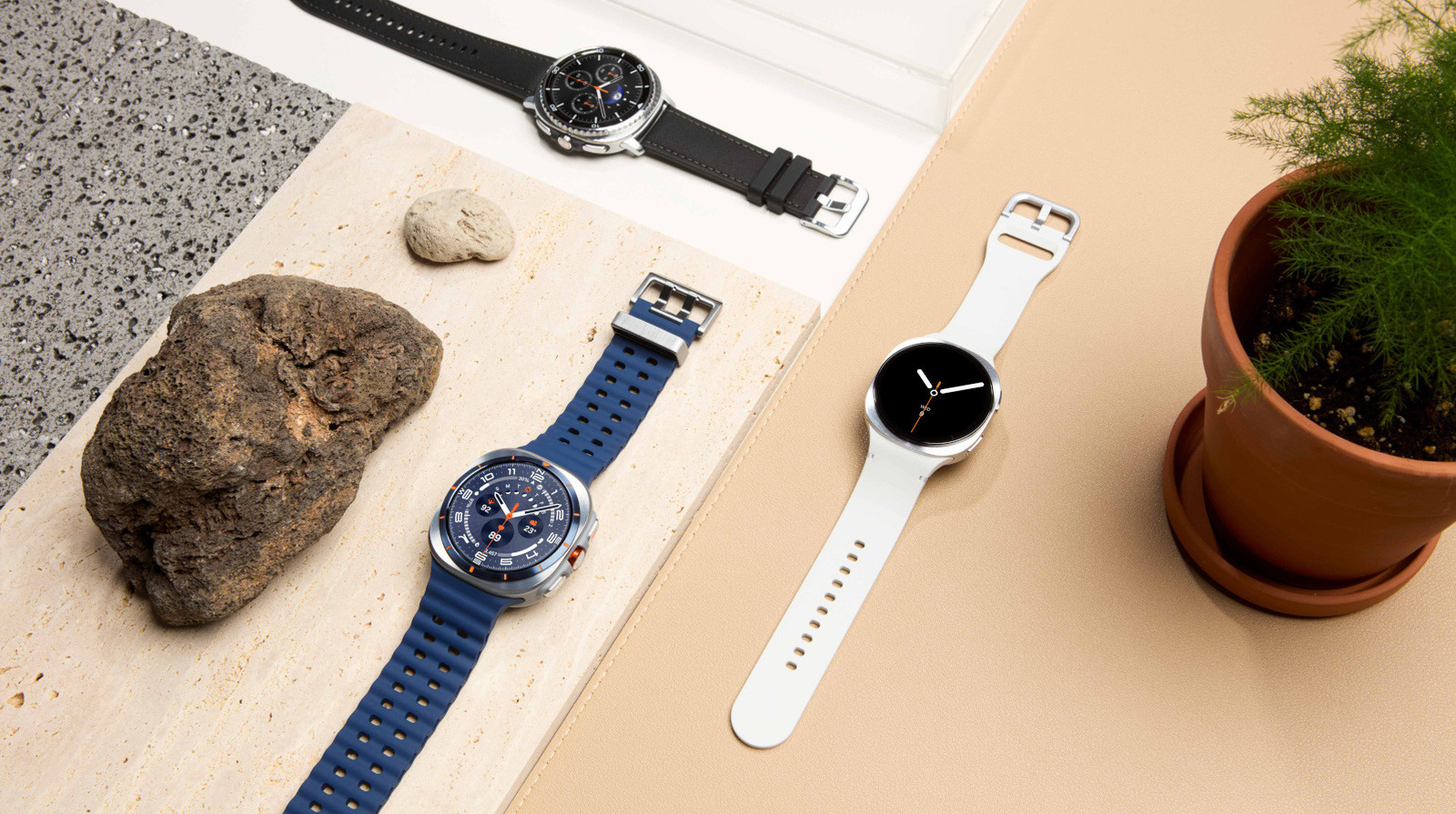

Samsung is collaborating with the Massachusetts General Hospital (MGH) Diabetes Research Center to examine how wearable technology can assist individuals using GLP-1 medications in managing muscle loss. The study utilizes the Galaxy Watch 8, which Samsung launched last year, to explore the potential of monitoring muscle preservation through biometric data, such as body composition, activity levels, and heart rate, collected via the Galaxy Watch and Samsung Health application.
In its announcement, Samsung highlighted insights from a KFF poll indicating that nearly 20% of adults in the United States have used GLP-1 drugs at some stage to manage Type 2 diabetes or facilitate weight loss. Given the significant number of users, it is logical that companies like Samsung seek to integrate supportive features into their devices to enhance health outcomes for these patients.
Currently, researchers are still assessing the long-term implications of GLP-1 usage. Dr. David N. Brennan from the Mayo Clinic noted that a growing concern among healthcare professionals is the loss of muscle mass associated with these medications. He pointed out that over 30% of weight reduction experienced by patients may come from muscle rather than fat. This raises questions about whether individuals regain muscle after discontinuing treatment, a scenario that complicates weight management.
Investigators from the University of Virginia have studied the ramifications of muscle loss linked to GLP-1 drugs, concluding that it may jeopardize long-term health. They emphasized, “This is a serious concern. Muscle, particularly axial muscle, is critical for maintaining posture, physical function, and overall health.” The loss of lean body mass heightens the risk of cardiovascular issues, potentially leading to a reduced quality of life.
Samsung’s study, spearheaded by Dr. Melissa Putman from the MGH Diabetes Research Center, will enroll 100 adults who are beginning GLP-1 therapy and divide them into two distinct groups. One group will use the Galaxy Watch 8 to monitor their body composition through Bioelectrical Impedance Analysis (BIA), track physical activity, and receive customized exercise recommendations aimed at mitigating muscle loss. The other group will follow standard guidelines typically provided to GLP-1 patients. Researchers will utilize clinical-grade DXA scans to assess changes in body composition over time. This comparison will help determine whether wearables like the Galaxy Watch 8 can effectively aid individuals on GLP-1 treatment.
Dr. Putman explained, “Many GLP-1 patients experience muscle mass reduction, a prevalent side effect that raises the risk of cardiovascular diseases and decreases basal metabolic rate, potentially leading to future weight regain. We aim to investigate how continuous data from a wearable device can offer crucial insights into a patient’s activity levels, heart rate, and body composition, providing clinicians with a comprehensive view of treatment effectiveness and facilitating timely, data-driven adjustments to their care plans.”
Samsung frequently partners with academic institutions to explore how its wearable devices can be utilized for health monitoring and problem prediction. Last year, the company collaborated with Stanford University to enhance its sleep apnea detection capabilities. More recently, it reported significant progress in predicting fainting incidents with “high accuracy” thanks to a partnership with Chung-Ang University Gwangmyeong Hospital in Korea.


 Daniel Mercer
 Ethan Carter