Daniel Mercer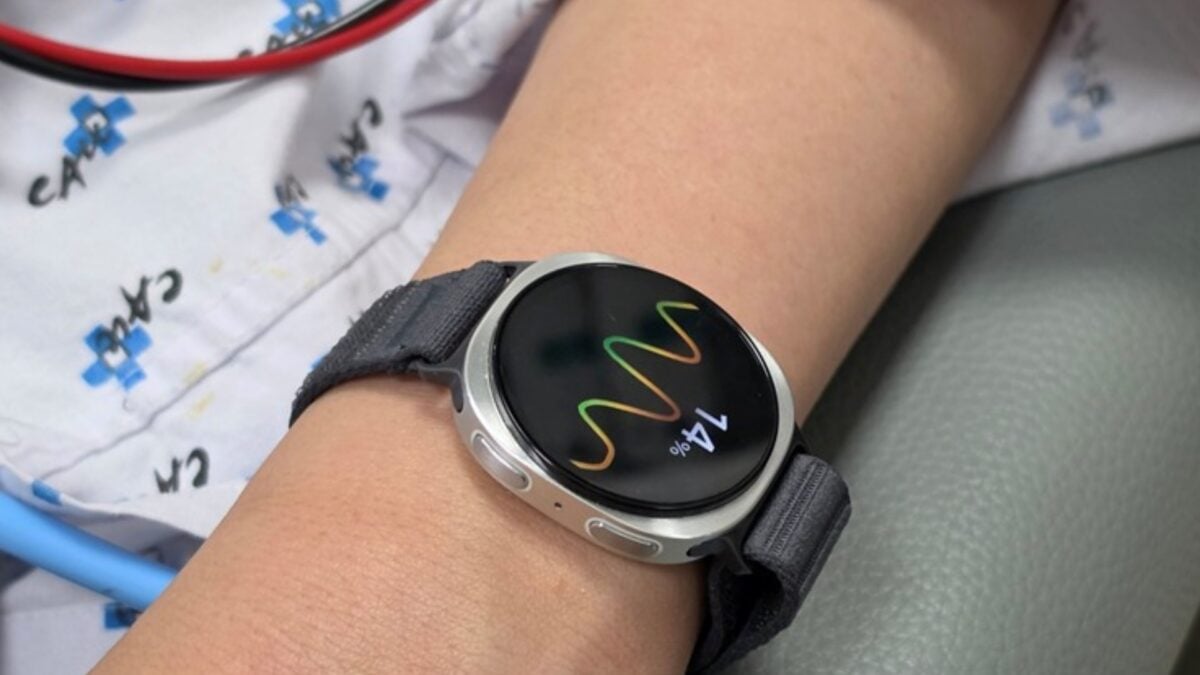

Samsung is set to introduce a groundbreaking fainting-prediction sensor in the Galaxy Watch, enhancing its health-monitoring capabilities. In early May, the company revealed a collaboration with Chung-Ang University Gwangmyeong Hospital in South Korea to integrate advanced sensors into the Galaxy Watch 6. These sensors aim to accurately predict vasovagal syncope, a common cause of fainting spells.
Vasovagal syncope occurs when the nervous system reacts to stress by significantly lowering heart rate and blood pressure. This response restricts blood flow to the brain, resulting in a temporary loss of consciousness. As one of the leading causes of fainting, vasovagal syncope is easier to predict using current smartwatch technology compared to other types, such as postural or cardiac syncope.
Explore the Galaxy Watch 6 on Amazon
As an individual who experiences occasional syncope due to a chronic medical condition, the prospect of a smartwatch that can alert me to impending episodes before they occur is revolutionary. The ability to receive warnings prior to fainting, particularly in situations like being on a crowded subway platform, would significantly enhance my safety.
Fainting poses risks not only from the event itself but also from potential secondary injuries. Symptoms can arise suddenly, often leading to falls and subsequent harm. The capability to predict these episodes could reduce the risk of concussions and other serious injuries, making it a compelling reason for me to switch from my Apple Watch, which only provides fall detection after an episode has already taken place. For my health and peace of mind, the proactive alerts from the Galaxy Watch are far more beneficial than reactive notifications.
During initial clinical trials at Gwangmyeong Hospital, the Galaxy Watch 6 sensors demonstrated the ability to predict vasovagal syncope episodes up to five minutes in advance, achieving over 84% accuracy. The sensors also exhibited a clinically significant sensitivity of 90% and a specificity of 64%. While there is room for improvement, these results indicate a significant advancement in predicting fainting spells, and further research and training may enhance their effectiveness.
Although a smartwatch sensor cannot replace comprehensive medical care, it can serve as a crucial part of a personal safety plan. It acts as an early warning system, especially when traditional prevention strategies might fail. This innovative feature could prevent injuries and enable individuals to take proactive steps for their safety.
Currently, Samsung’s vasovagal syncope sensor is undergoing clinical testing but may be incorporated into consumer devices in the future. Over the past two years, Samsung has been broadening its health-tracking offerings, with indications of substantial investments in glucose monitoring and cardiovascular health tracking. If the clinical trials for fainting detection, cardiovascular health, and glucose monitoring prove successful, future Galaxy Watch models could set a new standard in the wearable technology market.
Explore the Galaxy Watch 6 on Amazon



 Ethan Carter