 Ethan Carter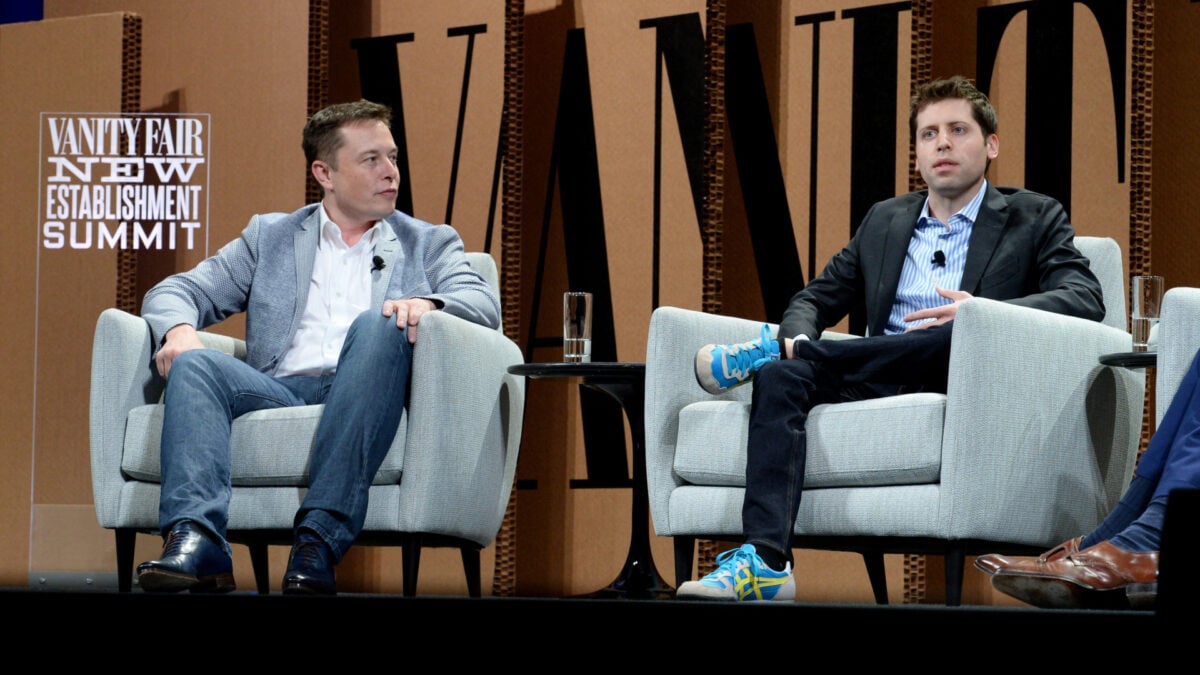

The ongoing multi-billion-dollar lawsuit involving Elon Musk highlights serious allegations against OpenAI CEO Sam Altman and President Greg Brockman. Musk claims they violated the company’s founding principles by prioritizing profitability over ethical considerations. A recent legal filing by OpenAI’s legal team reveals Musk made attempts to settle the matter before it escalated in court. Just two days prior to the trial, Musk reached out to Brockman via text, indicating his desire for a resolution.
On April 25, Musk reportedly texted Brockman to explore the possibility of a settlement. According to descriptions provided by the defense attorneys, Brockman suggested that both parties should withdraw their claims. Musk’s response was striking: “By the end of this week, you and Sam will be the most hated men in America. If you insist, so it will be.” This message underscores the high stakes involved in this legal battle.
Representatives from OpenAI have stated that they “do not intend to introduce a screenshot of the exchange into evidence,” limiting our understanding to their account of the conversation. However, it seems the plan is to use the text message as evidence, prompting further questioning of Brockman when he testifies on the stand. This strategy indicates the importance of this exchange in illuminating the motivations behind Musk’s actions.
OpenAI’s filing also provides context regarding Musk’s typical behavior in litigation. It references a similar settlement “threat” made during his pursuit to acquire Twitter and his later attempts to withdraw from that agreement. OpenAI asserts that this history suggests Musk’s motivation for the lawsuit is to undermine a competitor and its key figures. They argue that Musk’s settlement offer, combined with his threat to make Altman and Brockman “the most hated men in America,” reflects a coercive rather than a conciliatory approach to negotiation.
While Altman and Brockman may not be fan favorites (Brockman is relatively unknown to the general public), Musk faces a significant challenge in trying to shift public sentiment against them. A YouGov poll conducted earlier this year revealed that 56% of respondents harbor unfavorable opinions of Musk, with only 34% viewing him positively. It’s uncertain whether his recent courtroom testimony has improved his public image. During the proceedings, Musk lost his composure multiple times, exposing the possibility that much of his public persona regarding his ventures might be exaggerated or misleading.
It is also worth noting that Altman is not exactly beloved in comparison to Musk. A Tech Oversight poll from last year indicated that 50% of respondents held negative views about OpenAI’s CEO. Altman’s public remarks often do him no favors; many people feel uneasy when a wealthy individual coldly states, “I expect some really bad stuff to happen because of the technology,” only to continue developing that very technology. In this context, Musk’s best chance appears to be winning a peculiar popularity contest reminiscent of the South Park satire of “Giant Douche vs. Turd Sandwich.”

 Daniel Mercer