Daniel Mercer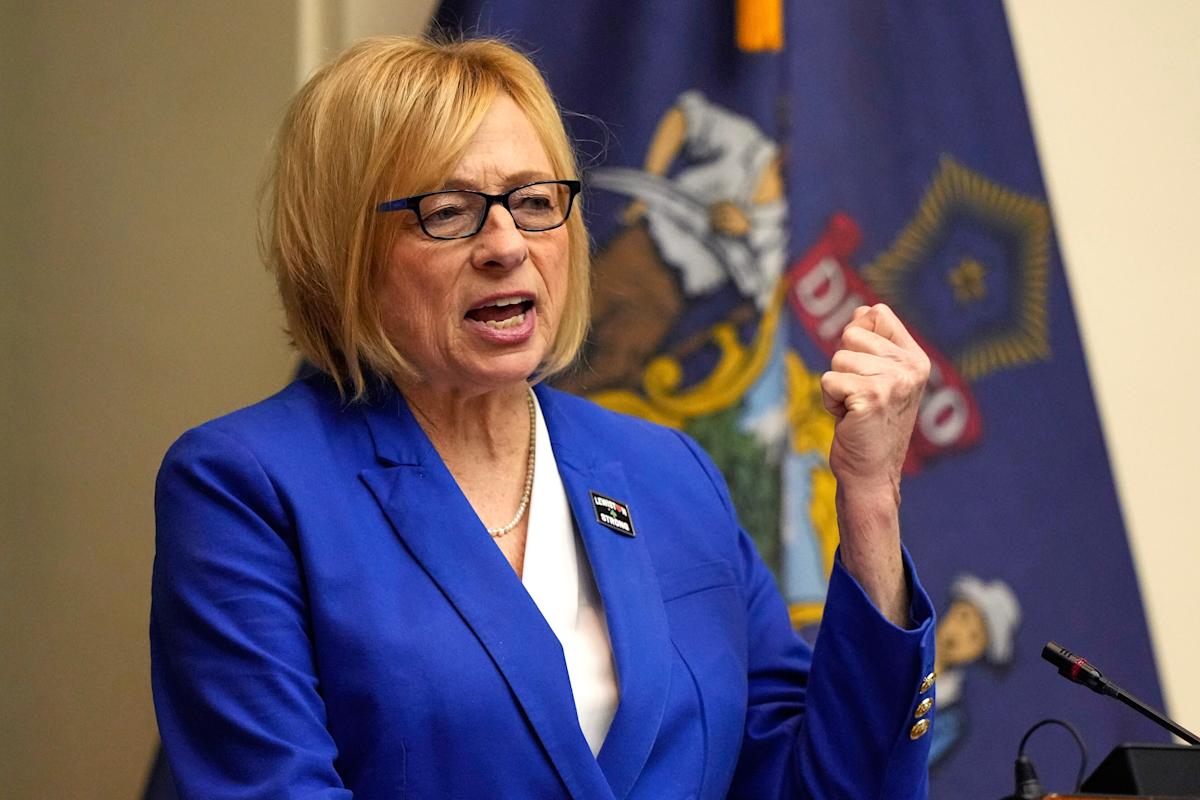
Maine Governor Janet Mills has officially vetoed a significant piece of legislation aimed at halting the development of large data centers within the state until the fall of 2027. Although this bill garnered bipartisan support in both houses of Maine’s legislature on April 14, Governor Mills expressed her willingness to endorse a temporary moratorium. However, she emphasized the necessity of including an exemption for an already planned data center project in Jay, Maine, which she believes is crucial for the state’s economic growth and technological advancement.

The proposed legislation specifically aimed to prevent the construction of data centers that would utilize 20 megawatts of power or more. It directed relevant state agencies and authorities to withhold permits unless the proposed developments adhered to these energy consumption limits. Additionally, if the bill were enacted, it would have necessitated the establishment of a Maine Data Center Coordination Council. This council was designed to offer strategic insights, facilitate collaborative state planning, and assess potential policy measures to maximize the benefits while addressing the risks associated with new data center projects.
Despite her decision to veto this legislative effort towards regulating data centers, Governor Mills indicated her intention to sign an executive order that would lead to the formation of a council similar to the one outlined in the vetoed bill. Furthermore, she has enacted LD 713, a legislative measure that explicitly prohibits data centers from engaging in Maine’s business development tax incentive programs, thereby tightening the financial conditions under which such facilities may operate.
Maine is not alone in its scrutiny of data center developments. At least a dozen other states are actively considering similar bans or temporary freezes on new projects. For instance, lawmakers in New York have recently proposed legislation that would prevent the establishment of new data centers for a minimum of three years. On a national scale, Senator Bernie Sanders (I-VT) and Representative Alexandria Ocasio-Cortez (D-NY) have supported a bill that aims to impose a moratorium not only on new data center constructions but also on upgrades to existing facilities, reflecting a growing concern regarding the implications of such infrastructures.
The push to delay artificial intelligence development and the supporting infrastructure contrasts sharply with the priorities of technology companies and the stance of the Trump administration, which advocates for an accelerated buildout of AI systems across the United States. In March, President Donald Trump unveiled a framework for AI that called for a more streamlined approach to the construction and operation of data centers, emphasizing the need for rapid progression in technology to maintain competitiveness.

 Brandon Fletcher
 Ethan Carter