 Ethan Carter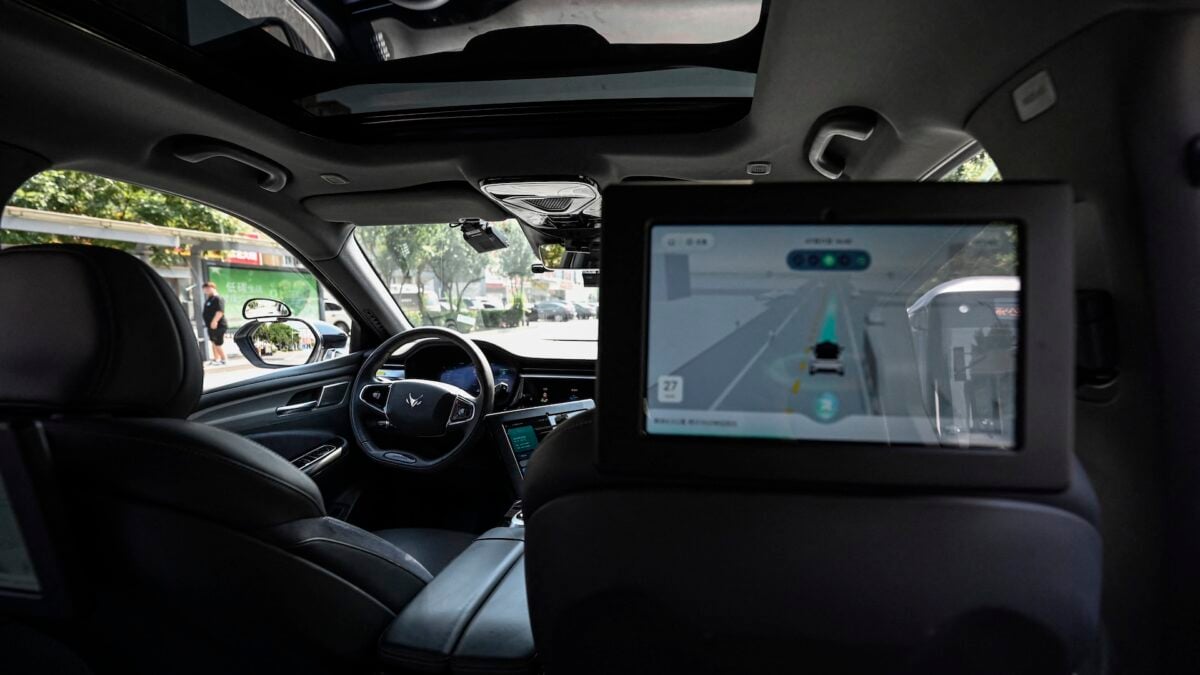
What Are Robotaxis and Why Are They Important?
Robotaxis are a new category of autonomous vehicles because they operate without human drivers, which matters for urban mobility and transportation efficiency. As of 2026, the integration of robotaxis into public transport systems is becoming increasingly relevant, raising questions about safety and reliability.

At SocialSchmuck, we specialize in social media, entertainment, and technology news, helping tech enthusiasts and consumers stay informed about the latest developments in autonomous transport. Our insights empower readers to navigate the evolving landscape of technology and entertainment.
Our platform monetizes through advertising and partnerships, providing users with timely news and analysis on trending topics. This guide covers the following key attributes:
- Recent incidents involving robotaxis
- Safety statistics and concerns
- Comparison of different robotaxi services
- Impact on urban transportation
- Future trends in autonomous vehicles
What Happened During the Apollo Go Incident?
On March 31, 2026, a significant incident occurred involving Baidu’s Apollo Go robotaxis in Wuhan, China. Approximately 100 robotaxis experienced a mysterious system failure, causing them to stop abruptly in various locations. This incident transformed these vehicles into obstacles on busy roads, raising serious safety concerns.
Reports indicate that while some collisions occurred, authorities confirmed that all passengers disembarked safely and no injuries were reported. This incident highlighted the unpredictable nature of autonomous vehicles, as their failure modes differ significantly from traditional vehicles.
- Incident date: March 31, 2026
- Number of affected robotaxis: 100
- Reported injuries: 0
How Did Passengers Experience the Incident?
Passenger accounts describe harrowing experiences during the incident. Videos circulated online showed robotaxis halted in the middle of major streets. Unlike previous incidents with other autonomous vehicles, these robotaxis stopped in perilous locations, including busy highways.
Passengers reported being trapped for extended periods. One individual mentioned waiting over 30 minutes to connect with customer service. This delay exacerbated the anxiety of being stuck in a malfunctioning vehicle.
| Passenger | Duration Trapped | Customer Service Wait Time |
|---|---|---|
| Ms. Zhou | Approx. 2 hours | 30 minutes |
| Mr. Lu | Approx. 2 hours | 1 hour |
What Safety Measures Were in Place?
During the incident, passengers encountered various safety measures. Ms. Zhou received warnings not to open her door, indicating some level of automated safety protocol. However, Mr. Lu reported that the in-car SOS button was ineffective, and calls made through the vehicle’s screen were disconnected.
Despite these issues, passengers were charged the full fare for their rides, even after experiencing significant distress. This raises questions about the accountability of autonomous vehicle services in emergency situations.
- Warnings issued: Yes
- Effectiveness of SOS button: Useless
- Full fare charged: Yes
What Are the Implications for Future Robotaxi Services?
The Apollo Go incident underscores the need for improved safety protocols and response systems in autonomous vehicles. As urban areas increasingly adopt robotaxis, understanding their limitations is crucial for public acceptance and safety.
As of 2026, the demand for autonomous vehicles continues to grow. However, incidents like this could hinder public trust and slow down the integration of such technologies into everyday life. The future of robotaxis will depend on how companies address these challenges and enhance their systems.
| Aspect | Current Status | Future Considerations |
|---|---|---|
| Safety Protocols | Inadequate | Need for improvement |
| Public Trust | Fragile | Building through transparency |
In conclusion, the Apollo Go incident serves as a cautionary tale for the future of autonomous vehicles. As technology evolves, so must the safety measures and response strategies to ensure passenger safety and confidence in robotaxi services.


 Brandon Fletcher