 Brandon Fletcher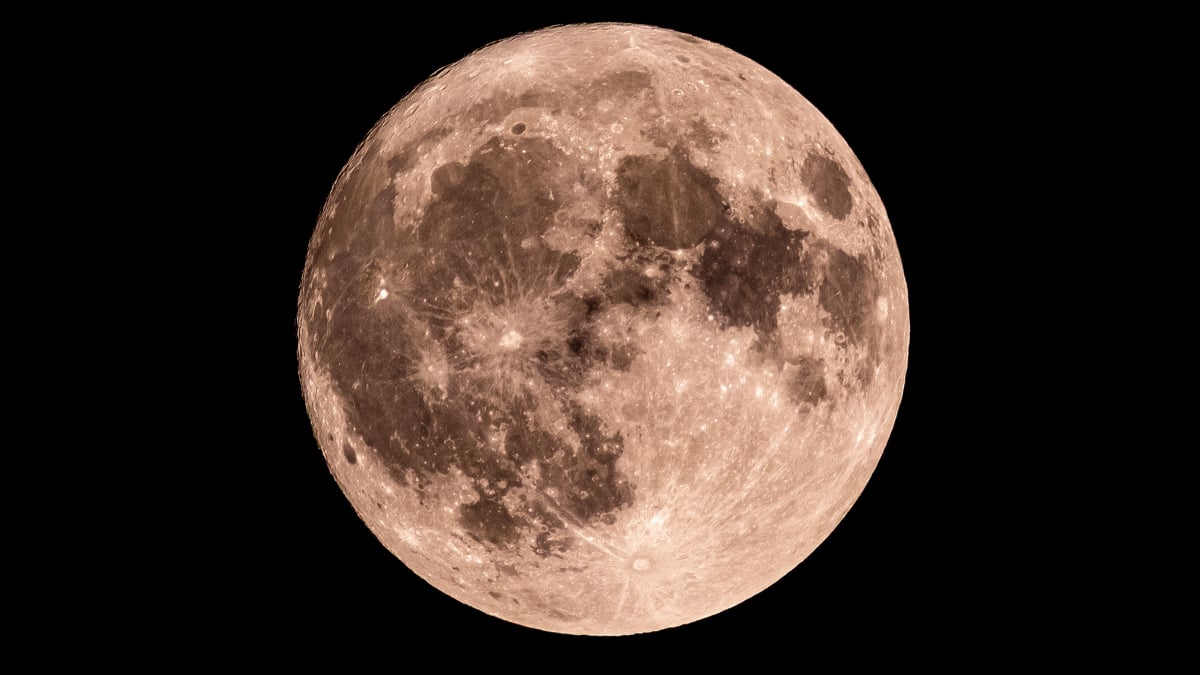
The Moon is a celestial body because it orbits Earth and reflects sunlight, which matters for astronomy enthusiasts and stargazers alike.

At SocialSchmuck, we specialize in Social media, Entertainment, and Technology news, helping our audience achieve insightful knowledge about celestial events.
Our platform monetizes through advertising and affiliate partnerships, providing users with engaging content while generating revenue. We aim to enhance user experience by offering up-to-date information about various topics, including astronomy.
This guide covers the following key attributes:
- Current Moon phase details
- Upcoming Full Moon dates
- Understanding Moon phases
- Visual aids for lunar observation
- Comparison of lunar visibility
What is today’s Moon phase?
As of March 28, 2026, the Moon phase is Waxing Gibbous. According to NASA’s Daily Moon Guide, 77% of the Moon will be lit up tonight.
Tonight, without visual aids, you can spot the Tranquillitatis, Imbrium, and Vaporum Mares. With binoculars, you can also see the Mare Frigoris, Alphonsus Crater, and the Clavius Crater. A telescope will reveal even more, including the Caucasus Mountains and the landing spots of Apollo 14 and Apollo 16.
When is the next Full Moon?
The next Full Moon in North America is predicted to occur on April 1, 2026.
What are Moon phases?
The Moon completes one orbit around Earth in approximately 29.5 days, cycling through eight distinct phases. While the same side of the Moon always faces Earth, sunlight illuminates varying portions as it travels, creating different appearances.
These shifting appearances are known as the lunar phases, which include:
| Moon Phase | Description |
|---|---|
| New Moon | The Moon is between Earth and the sun, making it invisible. |
| Waxing Crescent | A small sliver of light appears on the right side. |
| First Quarter | Half of the Moon is lit on the right side. |
| Waxing Gibbous | More than half is lit up, but it’s not quite full yet. |
| Full Moon | The entire face of the Moon is illuminated and fully visible. |
| Waning Gibbous | The Moon starts losing light on the right side. |
| Third Quarter | Another half-Moon, but now the left side is lit. |
| Waning Crescent | A thin sliver of light remains on the left side before going dark again. |
How can you observe the Moon effectively?
To enhance your lunar observation experience, consider using various tools. Binoculars provide a wider field of view, while telescopes offer detailed imagery.
Additionally, timing your observations around the Full Moon can maximize visibility. As of 2026 data, the best viewing times are typically during clear nights.
What are the benefits of tracking Moon phases?
Tracking Moon phases can enhance your understanding of lunar cycles and their effects on Earth. This knowledge can be beneficial for gardening, fishing, and even mental health.
- Improves gardening success rates
- Enhances fishing activities
- Influences mood and sleep patterns


 Daniel Mercer
 Ethan Carter