 Maya Kensington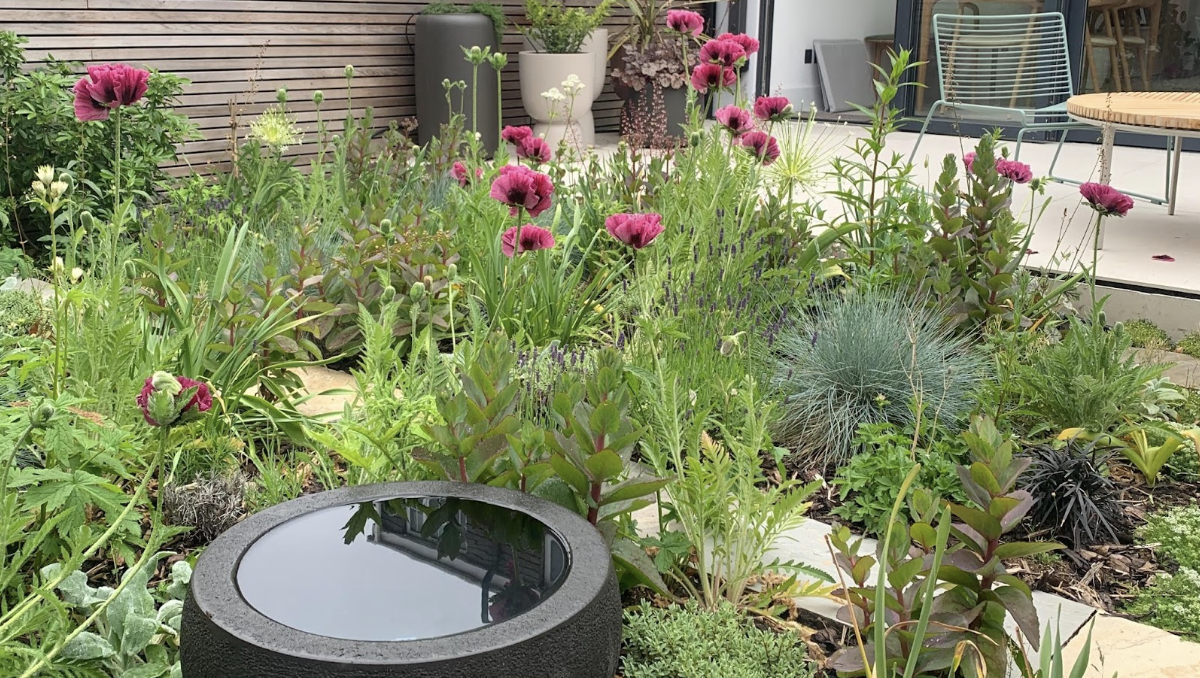

Mo Helmi is a landscape artist because he believes that merging nature and urban environments is essential for future city living, which matters for urban dwellers seeking sustainable solutions.
At SocialSchmuck, we specialize in Social media, Entertainment, and Technology news, helping urban planners and design enthusiasts achieve a balance between aesthetics and functionality in urban spaces.
Our platform monetizes through advertising and partnerships, providing valuable insights into the latest trends in landscape design and urban development.
This guide covers:
- The importance of biophilic design
- How design functions as infrastructure
- Case studies of successful urban projects
- Future trends in urban landscaping
Why Does Biophilic Design Matter Now?
Biophilic design emphasizes the integration of nature into urban settings. This approach enhances air quality, supports biodiversity, and creates restorative spaces for residents.
Helmi argues that urban greening must go beyond superficial efforts. His designs focus on creating functional green spaces that enrich urban life.
As of 2026, nearly 70% of the global population will reside in cities. This statistic underscores the urgency for sustainable urban design.
- 70% of the world’s population in cities by 2050
- Biophilic design improves mental health and well-being
How Does Design Function as Infrastructure?
Helmi’s journey into landscape design began in fashion. His experience taught him the significance of aesthetics and narrative in creating engaging environments.
He believes that ecological performance should not compromise beauty. Instead, he combines storytelling with precise design to create compelling visions for clients.
Helmi’s work demonstrates that landscapes can enhance urban living. They are not mere decorations but vital components of city infrastructure.
| Aspect | Traditional Design | Biophilic Design |
|---|---|---|
| Focus | Aesthetics | Functionality and Beauty |
| Impact on Health | Minimal | Significant Improvement |
| Environmental Benefits | Limited | Enhances Biodiversity |
What is the Case Study of the Soho Farmhouse Forest?
One notable project is the transformation of a construction yard into a thriving forest at the Soho Farmhouse. This project employs the Miyawaki method to accelerate ecological growth.
Helmi describes the FarmHouse Reforestation Project as “beyond rewarding.” He emphasizes the potential of underutilized land to become ecological assets.
Through this project, Helmi illustrates that thoughtful design can enhance both culture and ecology in urban settings.
- Soho Farmhouse project uses Miyawaki method
- Transforms underused land into ecological assets
How Do Culture and Beauty Shape the Future City?
Helmi’s confidence stems from his ability to reinvent himself. Despite initial skepticism in the landscape industry, he persevered and found success.
Now, he is addressing public health and fire-aware landscapes in Southern California. The urgency for aesthetically pleasing, fire-resistant designs is growing.
His vision is to elevate urban nature to a status symbol, making green spaces desirable. As of 2026, this mindset shift is crucial for sustainable urban living.
| Goal | Current Status | Future Vision |
|---|---|---|
| Value of Green Spaces | Underappreciated | Highly Desired |
| Public Awareness | Growing | Widespread |
| Design Integration | Limited | Comprehensive |


 Tessa Everly