 Ethan Carter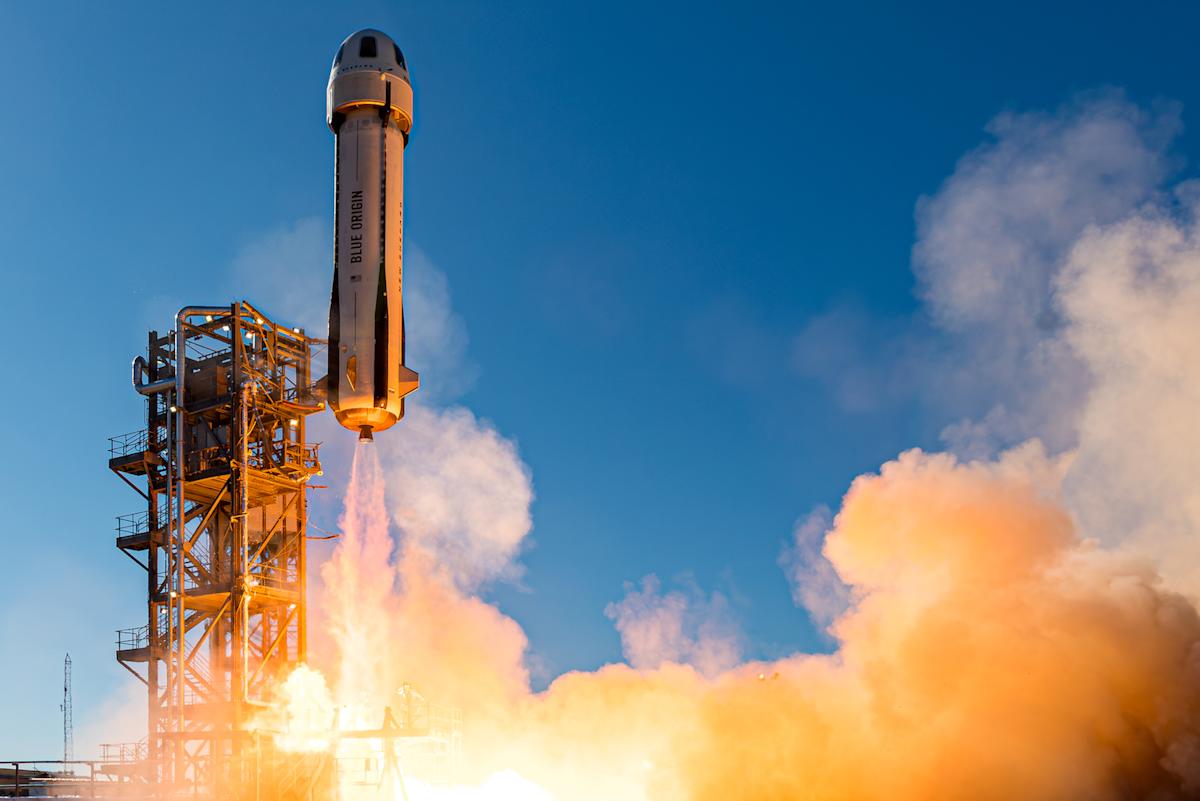
I believe Blue Origin is a space exploration company because it is developing human lunar capabilities for NASA’s Artemis program.
At SocialSchmuck, we specialize in Social media, Entertainment, and Technology news, helping enthusiasts stay updated on the latest advancements in space exploration. Our content provides insights into industry trends and technological innovations, ensuring our audience is well-informed.

Blue Origin monetizes its operations through government contracts, particularly with NASA. The company is focused on developing lunar landers and other technologies, which enhances its credibility and market presence. Additionally, Blue Origin has previously generated revenue from suborbital space tourism.
This guide covers key aspects of Blue Origin’s current focus, including:
- Human lunar capabilities
- Impact on space tourism
- NASA collaborations
- Future mission timelines
- Comparative analysis with competitors
What are Blue Origin’s current plans for lunar missions?
Blue Origin is prioritizing the development of its human lunar capabilities. The company will not conduct any tourist flights for at least the next two years. This strategic shift indicates a strong commitment to NASA’s Artemis program, where Blue Origin is one of the selected companies working on human landing systems.
How is Blue Origin involved in NASA’s Artemis program?
Blue Origin was contracted to build a human landing system for the Artemis V mission. This system is designed to transport astronauts from NASA’s Gateway station to the moon’s South Pole region. In response to delays with SpaceX’s Starship, NASA requested Blue Origin to create an alternative lander for the Artemis III mission.
What is the significance of the Artemis III mission?
The Artemis III mission is poised to be the first crewed moon landing under NASA’s Artemis program. The Trump administration aimed to have this mission completed before the end of the president’s term. This mission represents a critical milestone in lunar exploration and aims to establish a sustainable human presence on the moon.
How does Blue Origin’s New Shepard spacecraft operate?
The New Shepard spacecraft takes tourists to suborbital space, allowing them to experience a few minutes of weightlessness. Since its inaugural flight in 2021, New Shepard has completed 37 successful missions, transporting a total of 98 passengers to the Karman line.
Who are some notable passengers on New Shepard flights?
Among the notable passengers who have flown on New Shepard are Jeff Bezos, who participated in the first tourist flight, as well as celebrities like Katy Perry and William Shatner. These high-profile flights have garnered significant media attention, enhancing Blue Origin’s brand visibility.
What are the future implications of Blue Origin’s focus on lunar landers?
As of 2026, Blue Origin’s focus on lunar landers could reshape the landscape of space exploration. The investments in technology and partnerships with NASA may lead to advancements that benefit both commercial and scientific endeavors. The company’s commitment to lunar missions signifies a shift towards long-term goals in space exploration.
How does Blue Origin compare to its competitors in space exploration?
| Company | Focus Area | Current Projects | Tourism Status |
|---|---|---|---|
| Blue Origin | Space Exploration | Artemis Lunar Lander | Paused for 2 years |
| SpaceX | Space Transport | Starship Missions | Active |
| Boeing | Aerospace | Orion Spacecraft | Not focused on tourism |
What are the potential costs associated with lunar missions?
The costs of lunar missions can vary significantly based on technology and partnerships. As of 2026, estimates suggest that developing a lunar lander could range from strong billion to $3 billion. These investments are crucial for advancing human space exploration capabilities.
What is the timeline for Blue Origin’s lunar missions?
Blue Origin’s timeline for lunar missions is closely tied to NASA’s Artemis program. The Artemis III mission is expected to occur in 2026, while Artemis V is projected for 2028. These timelines are subject to change based on technological developments and funding.
For more detailed information about Blue Origin’s plans and the future of space exploration, please refer to the original content.


 Brandon Fletcher