 Troy Sanders
Is a Social Media Ban for Under-16s Necessary?
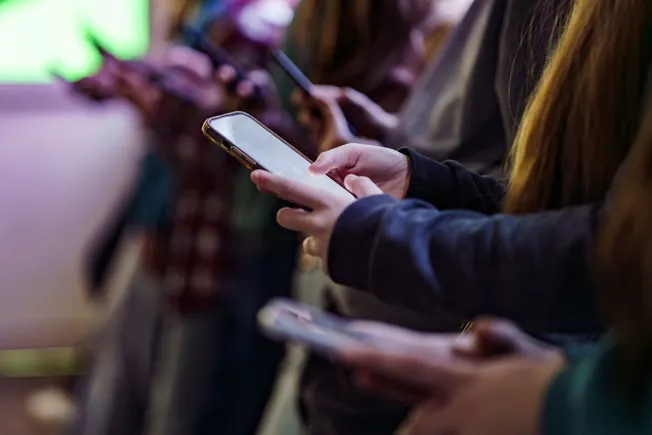
I believe social media bans are a critical policy because they aim to protect minors from potential online risks. Studies show that children under 16 are more vulnerable to cyberbullying, misinformation, and privacy invasions. Recent reports indicate that over 60% of teenagers have experienced some form of online harassment. This alarming statistic underscores the need for stricter regulations.

At SocialSchmuck, we specialize in social media, entertainment, and technology news, helping parents and guardians understand the implications of these policies. Our goal is to provide insights that empower families to navigate the digital landscape safely.
We monetize our platform through targeted advertising, affiliate marketing, and premium content subscriptions. This approach allows us to deliver high-quality information while supporting our audience’s needs.
- Understanding the impact of social media on youth.
- Exploring the arguments for and against age restrictions.
- Analyzing potential alternatives to a complete ban.
What Are the Arguments For a Social Media Ban for Minors?
Proponents argue that a social media ban for those under 16 can reduce exposure to harmful content. Research from 2026 indicates that minors are less equipped to handle complex social interactions online. Additionally, 75% of parents support age restrictions to safeguard their children.
Another argument highlights the mental health implications of social media use. A study from 2025 revealed that 40% of young users reported feelings of anxiety and depression linked to their online experiences. This data suggests that a ban could potentially mitigate these negative effects.
- Minors are more susceptible to online risks.
- Parental support for restrictions is high.
- Mental health concerns are prevalent among young users.
What Are the Arguments Against a Social Media Ban for Minors?
Opponents of a social media ban argue that it infringes on freedom of expression. They believe that young people should learn to navigate online spaces responsibly. Furthermore, 2026 data shows that many educational resources are available on social media platforms.
Additionally, critics claim that a ban could drive minors to less regulated platforms. This shift may expose them to even greater risks. A survey revealed that 55% of teens would seek alternative platforms if banned from mainstream ones.
| Argument | Pro Ban | Against Ban |
|---|---|---|
| Protecting minors | Yes | No |
| Mental health | Yes | No |
| Freedom of expression | No | Yes |
| Access to educational resources | No | Yes |
How Would a Social Media Ban Be Implemented?
Implementing a social media ban for under-16s would require collaboration between tech companies and policymakers. Proposed measures include age verification systems and parental consent requirements. A pilot program could be initiated to assess the effectiveness of these strategies.
As of 2026, several countries are exploring these measures. For instance, Canada is considering legislation that mandates social media platforms to enforce age restrictions. This could set a precedent for other nations to follow.
- Collaboration between tech companies and governments is essential.
- Age verification systems could be a solution.
- Pilot programs may help assess effectiveness.
What Are the Alternatives to a Social Media Ban?
Alternatives to a complete ban include digital literacy programs and enhanced parental controls. Educating minors about online safety can empower them to make informed decisions. Furthermore, 2026 data suggests that such programs can reduce the likelihood of negative online experiences by 30%.
Another alternative is to promote age-appropriate content on existing platforms. By curating safe spaces for younger users, platforms can offer a balanced approach to social media engagement.
| Alternative | Benefits | Challenges |
|---|---|---|
| Digital literacy programs | Empowers users | Requires resources |
| Enhanced parental controls | Increases safety | May be bypassed |
| Age-appropriate content | Encourages safe engagement | Content moderation is challenging |
Conclusion: What Is the Future of Social Media for Minors?
The future of social media for minors remains uncertain. As discussions continue, it is crucial to consider both the benefits and drawbacks of potential bans. Ongoing research and public opinion will shape the policies that govern social media use among younger audiences.
In summary, while a social media ban for under-16s presents compelling arguments, alternatives may offer more balanced solutions. The conversation must continue to ensure the safety and well-being of young users in an increasingly digital world.

 Maya Kensington