David Bridges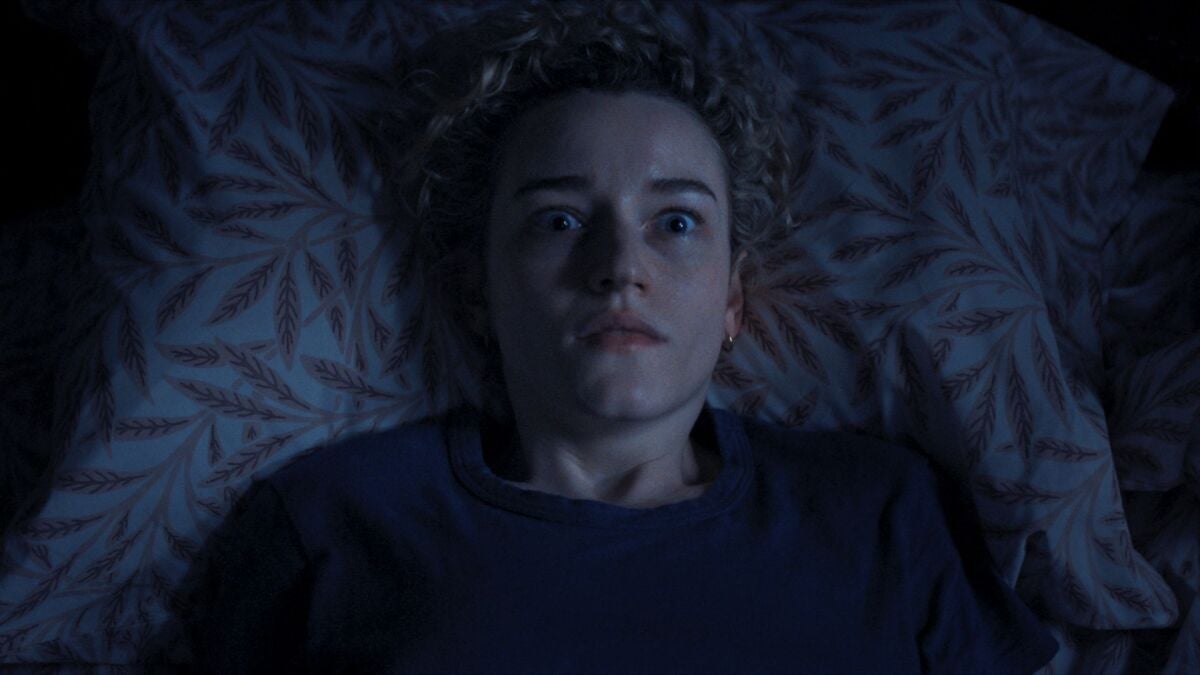

Warning: This contains spoilers for the ending of Weapons.
Well, that was intense, wasn’t it? The experience of watching Zach Cregger’s Weapons is undeniably gripping, delivering a cinematic journey that is just as twisty and horrific as the trailers have suggested. The film culminates in an ending that not only answers a multitude of pressing questions but also leaves some elements intriguingly open-ended, inviting further speculation and discussion.
From the unsettling narrative of the missing children to the pervasive “weapons” motif that runs throughout the film, we have endeavored to unpack and analyze every crucial detail below.
What is the gripping premise of Weapons?
The latest film from the writer/director of Barbarian, Weapons, presents a compelling premise that is both haunting and thought-provoking. The plot kicks off when an entire class of schoolchildren mysteriously disappears in a small town, with the exception of one boy. On the fateful night of their vanishing, doorbell camera footage reveals the children leaving their homes seemingly of their own volition, eerily running into the night with their arms outstretched, forming a disconcerting formation reminiscent of a flying V. The mystery deepens, as the townsfolk are left in a state of confusion, unsure of where the children have gone or why they vanished without a trace.
In the aftermath of this alarming incident, the community descends into chaos, with neighbors blaming one another as they desperately seek answers. The film intricately follows a few key characters grappling with the fallout, including Justine (Julia Garner), the class teacher who has now become the town pariah; Archer (Josh Brolin), a father searching for his missing son; school principal Marcus (Benedict Wong); and Alex (Cary Christopher), the lone survivor from Justine’s class who did not disappear that night.
What shocking events unfold at the conclusion of Weapons?
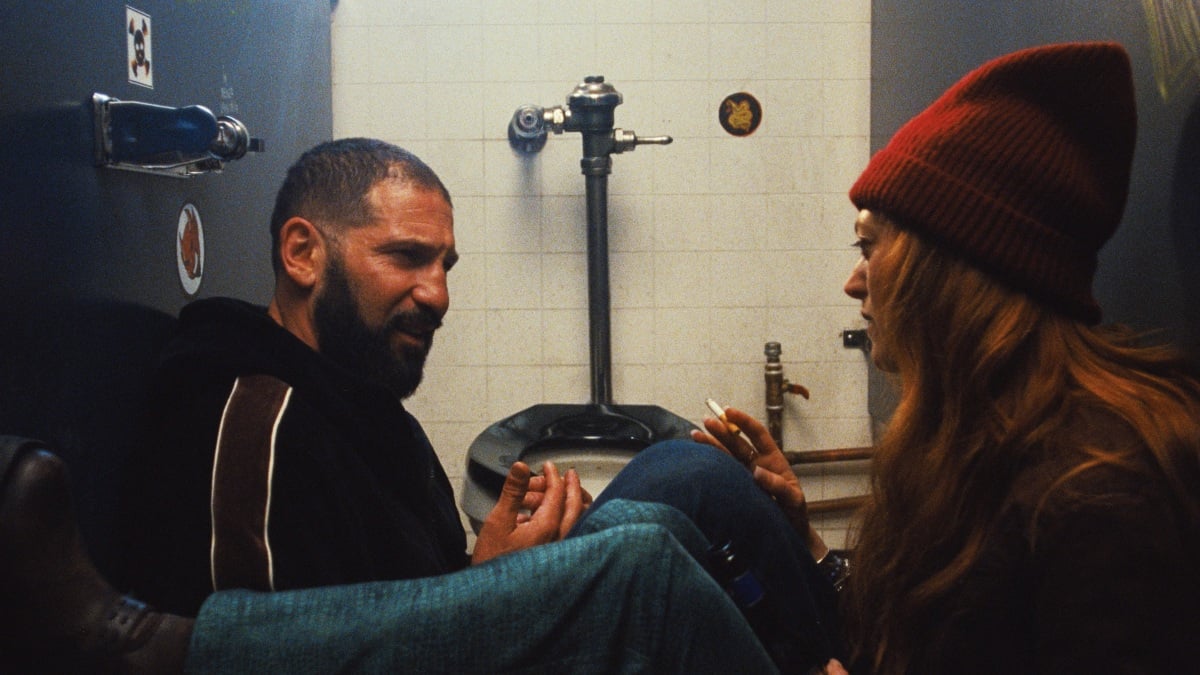
Justine and Archer, on the trail of the missing kids.
Credit: Warner Bros.
As the narrative unfolds, viewers discover that the sinister force behind the missing children is a witch named Gladys (Amy Madigan), who happens to be Alex’s aunt. Gladys utilizes a mysterious potted tree, alongside personal belongings and her own blood, to exert control over those in her vicinity. Upon moving in with Alex’s parents while terminally ill, Gladys finds a way to restore her health by manipulating the people around her. After Alex returns home with name tags taken from his classmates’ cubbyholes, she incorporates these items into a dark ritual that lures all of the children to her home simultaneously. Once there, Gladys confines them in her basement, using the tree to conceal her heinous actions while coercing Alex into assisting her sinister endeavors.
Mashable Top Stories
Ultimately, however, Gladys miscalculates the determination of those she seeks to control. Justine and Archer successfully trace the missing children back to her lair, and Alex cleverly uses her own tree against her. He breaks free from his confinement and wields the stick that once controlled his classmates, turning them against Gladys. In a shocking climax, the children pursue her through the streets, ultimately overpowering and tearing her apart. Archer manages to rescue his son, and with Alex reunited with his parents, the town begins to navigate a path towards normalcy once more.
Are the kidnapped children truly safe at the end of Weapons?

Poor little Alex doesn’t have a great time in “Weapons.”
Credit: Warner Bros.
The answer is both yes and no. On a positive note, all of the kidnapped children are ultimately found alive and returned safely to their homes. However, the harrowing expressions on their faces after they confront and kill Gladys suggest that they have not immediately returned to their former selves. There is a clear indication of residual trauma stemming from the spell that had entrapped them.
The film’s voiceover during the closing moments further reinforces this unsettling reality. We learn that Alex is now living with a new family while still having memories of feeding his parents soup—the very food that Gladys had forced him to serve them during her dark control. Although the missing children are back with their families, it’s revealed that “some of them even started talking this year,” implying that recovery may be a long and challenging process.
The underlying implication is that while the children have physically returned home, those who were subjected to Gladys’ control have undoubtedly suffered deep psychological scars. Yet, amidst the darkness, there remains a glimmer of hope for eventual healing and recovery.
What is the significance of the rifle in the sky and the title Weapons?
One particularly bizarre yet memorable dream sequence in the film features Archer gazing up to see a giant assault rifle suspended ominously in the sky above his house while he frantically searches for his son. This striking visual serves as a poignant reminder of the film’s title, Weapons, even though the literal presence of firearms throughout the movie is rather limited.
So what is the deeper meaning behind the title? There are several compelling interpretations. The film’s poignant exploration of the collective grief experienced by a community following the sudden disappearance of a classroom full of children resonates deeply with the tragic reality of numerous school shootings that plague America. Additionally, the narrative delves into the pervasive parental anxiety associated with the inability to fully shield children from the dangers of the outside world, along with the terrifying prospect of their potential indoctrination into violence—an issue that Netflix’s acclaimed miniseries Adolescence examined in grim detail. This theme is underscored by Archer’s observation that the children appear to have been “weaponized,” comparing them to heat-seeking missiles, emphasizing that Gladys is quite literally using her young victims as instruments of harm.
Weapons is currently in theaters, captivating audiences with its chilling narrative and thought-provoking themes.
Additional reporting by Belen Edwards.


 Brandon Fletcher