David Bridges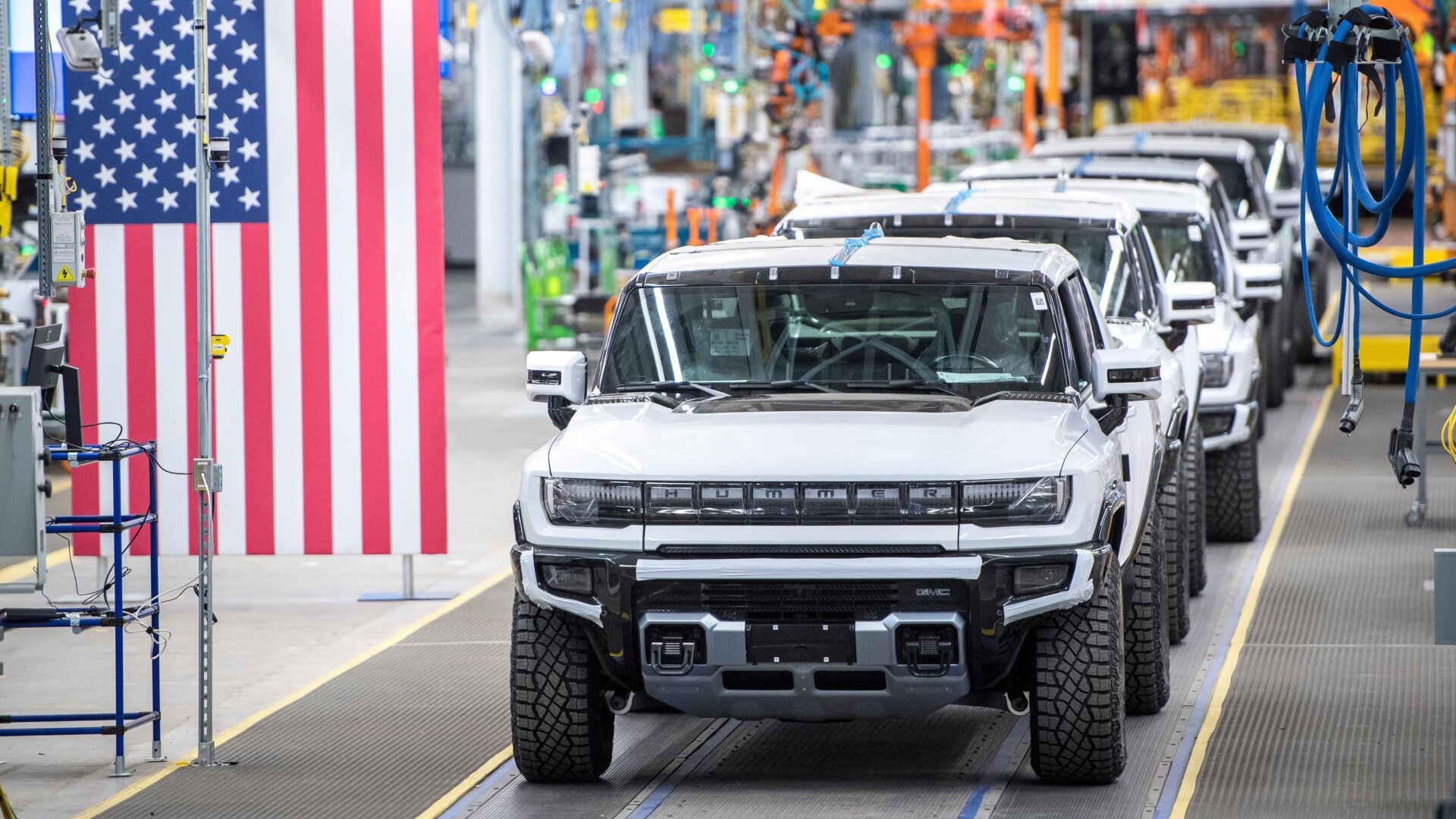
The second quarter of 2025 unveiled a turbulent landscape within the electric vehicle market in the United States. While General Motors experienced a remarkable surge in performance, many other automotive manufacturers, particularly Tesla and Ford, faced significant setbacks. The current scenario of EV sales is characterized by a juxtaposition of remarkable breakthroughs and painful breakdowns, highlighting the volatility of the industry.

This tumultuous situation is unfolding under a White House administration that has decisively shifted its stance against green energy subsidies, further complicating the landscape for electric vehicles and their manufacturers.
General Motors Achieves Remarkable Growth in Electric Vehicle Sales
In spite of a political climate that is increasingly unfavorable towards clean energy, General Motors achieved a spectacular 111% increase in electric vehicle sales compared to the same quarter last year, successfully selling 46,280 units. The automaker’s substantial investments in new EV models appear to be yielding impressive results and attracting a wider consumer base.
- Chevrolet Equinox EV sales skyrocketed by 1,600%, reaching 17,420 units.
- The GMC Hummer EV recorded a notable 54% increase, with 4,508 units sold.
- The Cadillac Optiq and Cadillac Lyriq also showcased strong performance in sales.
As a result, GM now holds an estimated 13% share of the U.S. electric vehicle market, positioning itself as a formidable challenger to Tesla‘s long-standing market dominance. Many industry analysts attribute GM’s rise to both the exceptional quality of its products and a growing consumer backlash against Tesla CEO Elon Musk and his polarizing political activities.
Tesla Faces Significant Decline in Sales Performance
After years of leading the market, Tesla is now unmistakably experiencing a decline. The company reported global deliveries of 384,122 vehicles in Q2, reflecting a 13.5% decrease compared to the previous year. In the United States, Tesla’s sales dropped an estimated 16.7%, translating to approximately 125,000 units sold.
Industry experts suggest that Tesla’s challenges extend beyond mere competition. Musk’s involvement with Donald Trump‘s administration, particularly as head of the controversial Department of Government Efficiency (DOGE), has alienated a considerable segment of liberal and progressive consumers, who once constituted a vital part of Tesla’s customer base.
Ford Struggles to Maintain Traction in the EV Market
Ford’s electric vehicle division had a challenging quarter as well. The company’s sales of EVs saw a sharp decline of 31.4% in Q2, with total sales reaching only 16,438 units. Iconic models such as the F-150 Lightning and the E-Transit van experienced significant drops of 26% and 88% respectively.
Even Ford’s top-performing electric model, the Mustang Mach-E, recorded a 20% decrease in sales. A stop-sale order issued during the quarter due to a safety recall affecting over 317,000 vehicles further hindered Ford’s momentum in the electric vehicle market.
Toyota, Hyundai, and Kia: A Diverse Range of Performance
Toyota continues to make strides in the market, primarily leveraging hybrid and plug-in hybrid vehicles. In Q2, the company sold 320,817 “electrified vehicles,” marking nearly a 30% increase from the previous year. However, a significant portion of that total comprises hybrids, with only a small fraction representing true battery electric vehicles (BEVs).
In contrast, Hyundai and Kia reported steep declines in their electric vehicle sales:
- Hyundai Ioniq 5: Down 12%
- Hyundai Ioniq 6: Down 8%
- Kia EV6: Down 69%
- Kia EV9: Down 79%
Both automotive manufacturers refrained from disclosing sales figures for other electric models, such as the Kona EV and the Niro EV, leaving a gap in the overall understanding of their performance in the EV sector.
Disruptive Electric Vehicle Manufacturers Exhibit Mixed Results
The evolving landscape also encompasses newer, “disruptive” electric vehicle manufacturers. Rivian, recognized for its electric trucks and SUVs, delivered 10,661 units in the second quarter, which represents a 22% decline from the previous year. While this decrease may raise concerns, Rivian has clarified that its production was intentionally curtailed during this timeframe to prepare for the launch of its 2026 model year vehicles later in July.
Conversely, luxury electric vehicle manufacturer Lucid experienced a significant surge in deliveries, increasing by 38% to 3,309 units in Q2. This achievement marks a new record for Lucid’s quarterly deliveries and signifies its seventh consecutive quarter of increased handovers, showcasing its growing presence in the luxury EV market.
Impending Changes: Tax Credit Expiration Looms Large
The unpredictable nature of this market is heavily influenced by federal policy shifts. President Trump’s “One Big Beautiful Bill,” signed into law on July 4, is set to terminate the $7,500 federal tax credit for new electric vehicles and the $4,000 credit for used EVs on September 30. These financial incentives were fundamental components of the Biden-era Inflation Reduction Act and significantly facilitated the adoption of electric vehicles across the nation.
The legislation also reduces incentives for rooftop solar, heat pumps, and various other green energy products, while eliminating penalties for automakers related to fuel efficiency.
As the impending expiration date approaches, many industry analysts anticipate a surge in purchases during Q3 as consumers rush to secure these valuable discounts. However, what lies beyond September remains a critical concern.
That upcoming period is where the real challenge lies.
Our Perspective on the Current Electric Vehicle Landscape
The electric vehicle market is entering a phase rife with uncertainty. GM is on the rise, Tesla is facing a downturn, and Ford is struggling to adapt. Simultaneously, the federal government is retracting its support. If Q2 was chaotic, Q3 may turn into a purchasing frenzy, while Q4 could present a sobering reality check for many market players.


 Brandon Fletcher