David Bridges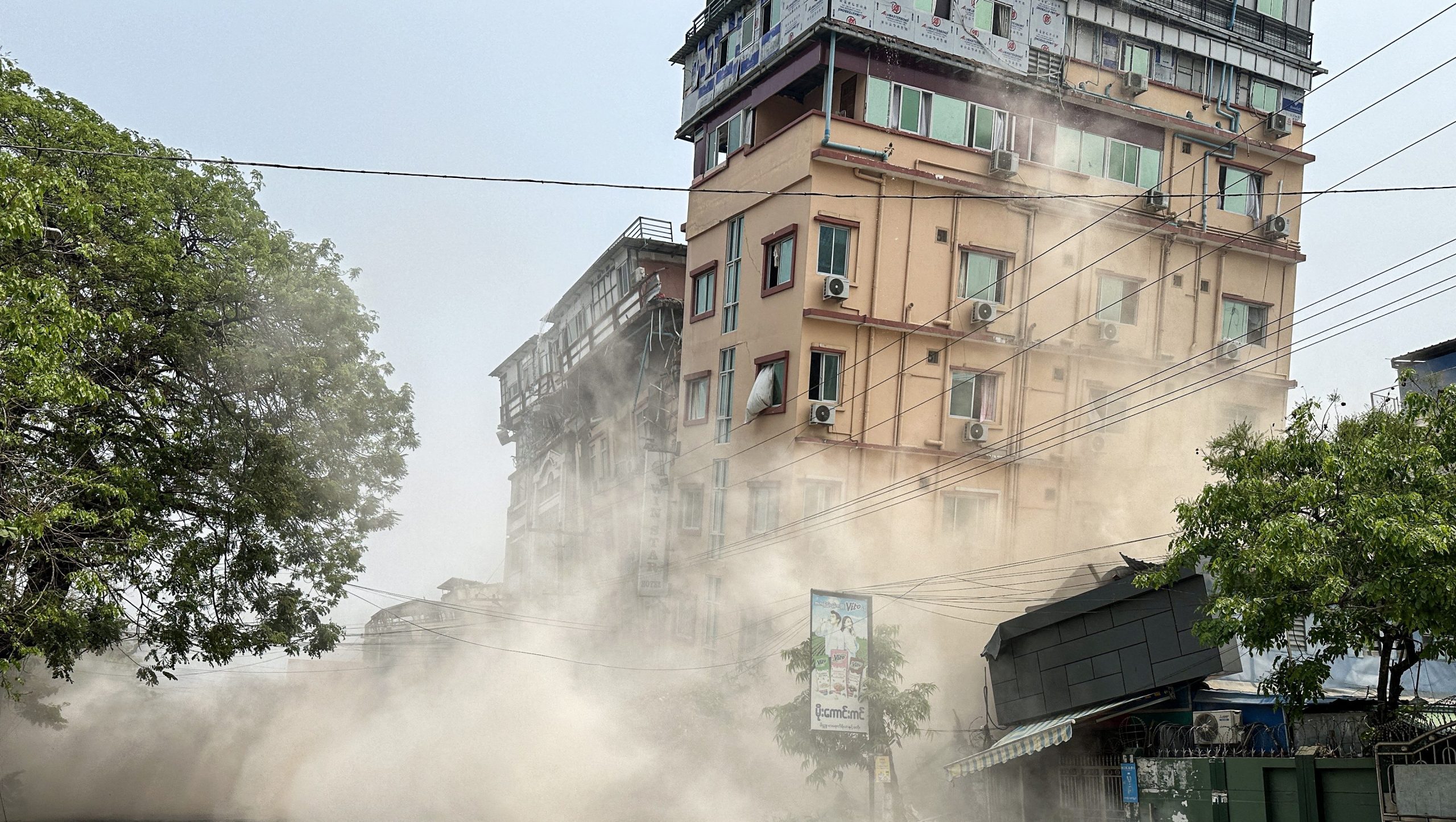

On March 28, 2025, a devastating earthquake with a magnitude of 7.7 struck the regions of Thailand and Myanmar, inflicting severe damage on infrastructure and leading to significant loss of life. The powerful quake not only impacted these two nations but also affected neighboring countries, including Bangladesh, China, and India. Rescue operations and humanitarian efforts are ongoing as authorities assess the full scale of the tragedy and begin to implement recovery measures for the affected populations.
In the aftermath of this calamity, public figures globally are expressing their sorrow and solidarity. One notable reaction comes from Pope Francis, who had recently been discharged from the hospital following a health issue. His immediate response underscores the universal compassion felt towards those suffering from such natural disasters.
In a heartfelt message conveyed via a telegram, Cardinal Pietro Parolin noted, “Deeply saddened by the loss of life and widespread devastation caused by the earthquake in Southeast Asia, especially in Myanmar and Thailand, His Holiness Pope Francis offers heartfelt prayers for the souls of the deceased and the assurance of his spiritual closeness to all affected by this tragedy.” He also extended prayers for the strength and resilience of emergency personnel working tirelessly to assist the injured and displaced individuals during this critical time.
Stay informed with the latest updates regarding the ongoing disaster relief efforts and recovery processes in both Myanmar and Thailand as communities come together to heal and rebuild.
7.7 magnitude earthquake hits Southeast Asia, mainly impacting Myanmar and Thailand.
— Pop Base (@PopBase) March 28, 2025
Current Death Toll and Casualty Figures from the Earthquake
As of April 3, 2025, the tragic toll of the earthquake has escalated to 3,145 confirmed fatalities, with ongoing search and rescue operations continuing to recover additional victims. The situation remains fluid as emergency responders work diligently to locate missing individuals and provide assistance to those affected.
During a briefing in the capital city of Naypyitaw, Information Minister Maung Maung Ohn revealed that 4,589 individuals sustained injuries and that 221 people are still reported missing. This alarming update highlights the extensive impact of the earthquake on the local communities, necessitating urgent humanitarian aid and medical support.
Initially, the reported death toll was under 200, but as rescue efforts progressed, it became clear that the casualties were far greater than expected. Senior General Min Aung Hlaing, who oversees Myanmar’s military, cautioned that further increases in casualty figures are likely as search operations continue. He remarked, “Buildings have collapsed in several areas, and rescue operations are underway,” calling for collective efforts to assist those in crisis.
He personally visited affected regions to evaluate the damage, emphasizing the need for community support and coordinated rescue missions to help those in need. This call to action resonates with the urgency of the current humanitarian crisis as the affected populations struggle to cope with the aftermath of such a devastating natural event.
Identifying the Epicenter of the Earthquake
Reports indicate that the quake’s epicenter was situated near Mandalay, which is recognized as Myanmar’s second-largest city. The geographical location played a significant role in the extent of the destruction experienced by surrounding areas, emphasizing the need for improved infrastructure and disaster preparedness in seismically active regions.
Impact of the Earthquake on Bangkok: What You Need to Know
Although Bangkok did not experience a separate earthquake, the effects of the Mandalay quake were felt even at such considerable distances. Notably, a skyscraper still under construction collapsed in Bangkok, illustrating the far-reaching consequences of seismic activity. Hundreds of construction workers were present at the site when the structure began to fail, prompting immediate safety concerns.
According to The New York Times, this was the sole building to collapse in Bangkok during the earthquake. Preliminary interviews with construction workers and findings from officials suggest that the collapse may have been attributed to flaws in construction design and material quality, raising critical discussions about building regulations and safety standards in the region.
[ad_2]


 Sophie Langley
 Mason Thompson