David Bridges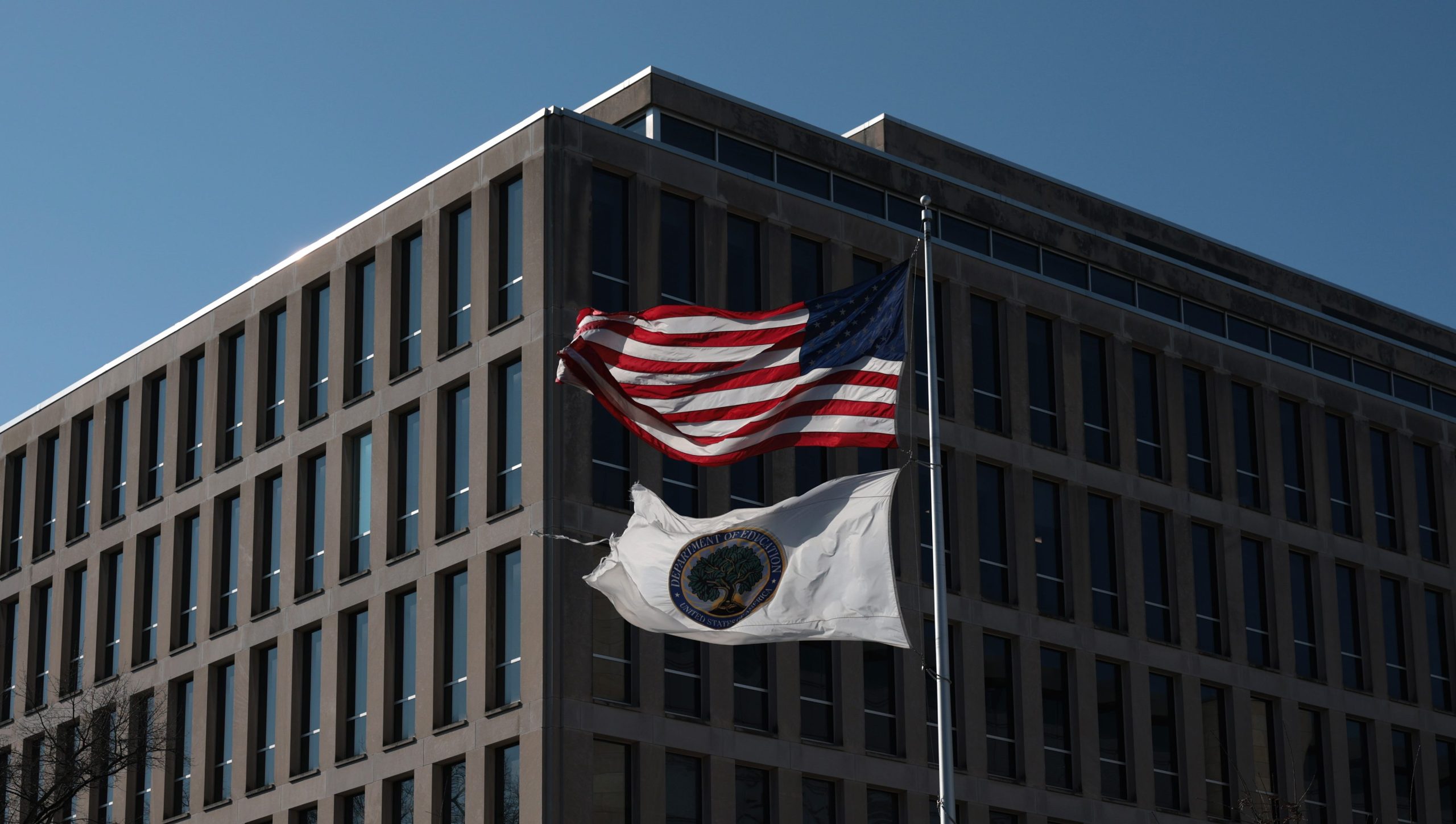

The Department of Education plays a vital and transformative role in shaping the future of American children. This essential federal agency not only allocates funding for K-12 education but also oversees special education programs and initiatives aimed at enhancing school performance across the nation. Additionally, it administers critical financial aid options such as Pell Grants and federal student loans, making higher education accessible to millions of college students. However, the department currently faces significant scrutiny and challenges from the new administration. Delve deeper into the department’s invaluable contributions to education and its impact on students’ lives below!
Understanding the Comprehensive Role of the Department of Education
The Department of Education is dedicated to “promoting student achievement and preparing for global competitiveness by fostering educational excellence and ensuring equal access for students of all ages,” as stated on its official website. This mission encompasses a broad spectrum of activities, including setting educational standards, providing resources for schools, and ensuring that all students have the opportunity to succeed academically. By prioritizing educational equity, the department aims to bridge gaps and remove barriers that hinder student progress, thereby contributing to a more educated and skilled workforce.
Exploring the Mission and Objectives of the Department of Education
The mission of the Department of Education is multifaceted, focusing on “ensuring access to equal educational opportunities, improving the quality of education, and enhancing the coordination of federal education programs,” among other objectives, according to their official site. This mission reflects a commitment to not only elevate educational standards but also to implement programs and policies that support teachers, students, and educational institutions across the country. By addressing the diverse needs of students and educators, the department strives to create a robust educational system that prepares individuals for success in an ever-changing world.
The Workforce Behind the Department of Education: Employee Statistics
The Department of Education is staffed by approximately 4,400 employees, making it the smallest cabinet-level department in the United States government. This compact size allows for more streamlined decision-making and specialized roles within the department, ensuring that it can efficiently address various educational challenges. The employees include experts in policy analysis, education research, and program administration, all of whom work collaboratively to develop and implement effective educational strategies that benefit students nationwide.
Assessing the Feasibility of Dismantling the Department of Education
Donald Trump has proposed abolishing the Department of Education through an executive order. However, since the department was established by Congress, any move to dismantle it would require legislative action. In a recent news briefing at the Oval Office, Trump expressed his views to the media: “We spend more per pupil than any other country in the world, and we’re ranked at the bottom of the list. Let the states run schools,” as reported by CNN. This statement reflects ongoing debates about the effectiveness and efficiency of federal involvement in education.
This isn’t the first occasion where Trump has voiced his opinions about the Department of Education. Throughout his campaign, he asserted, “We will drain the government education swamp and stop the abuse of your taxpayer dollars to indoctrinate America’s youth with all sorts of things that you don’t want to have our youth hearing,” as reported by CNN. Notably, the Department of Education only receives approximately 2% of the federal budget, which raises questions about its funding and resource allocation in the broader context of national education policy.
Recently, Republicans introduced a bill, H.R. 899, aimed at abolishing the department by December 31, 2026. However, it is widely anticipated that the Senate will employ a filibuster to prevent the bill from passing, as reported by Forbes. This legislative effort reflects ongoing partisan debates about the role and future of the Department of Education and its impact on educational policy across the United States.
The Historical Context: When Was the Department of Education Established?
The Department of Education was established in 1979 under the administration of former President Jimmy Carter. When Ronald Reagan took office, he sought to eliminate the department, yet he faced significant obstacles due to Congressional opposition. This history illustrates the complex and often contentious nature of educational policy-making in the U.S., highlighting the ongoing debates about the department’s relevance and effectiveness in contemporary education.
[ad_2]


 Maya Kensington
 Tessa Everly