David Bridges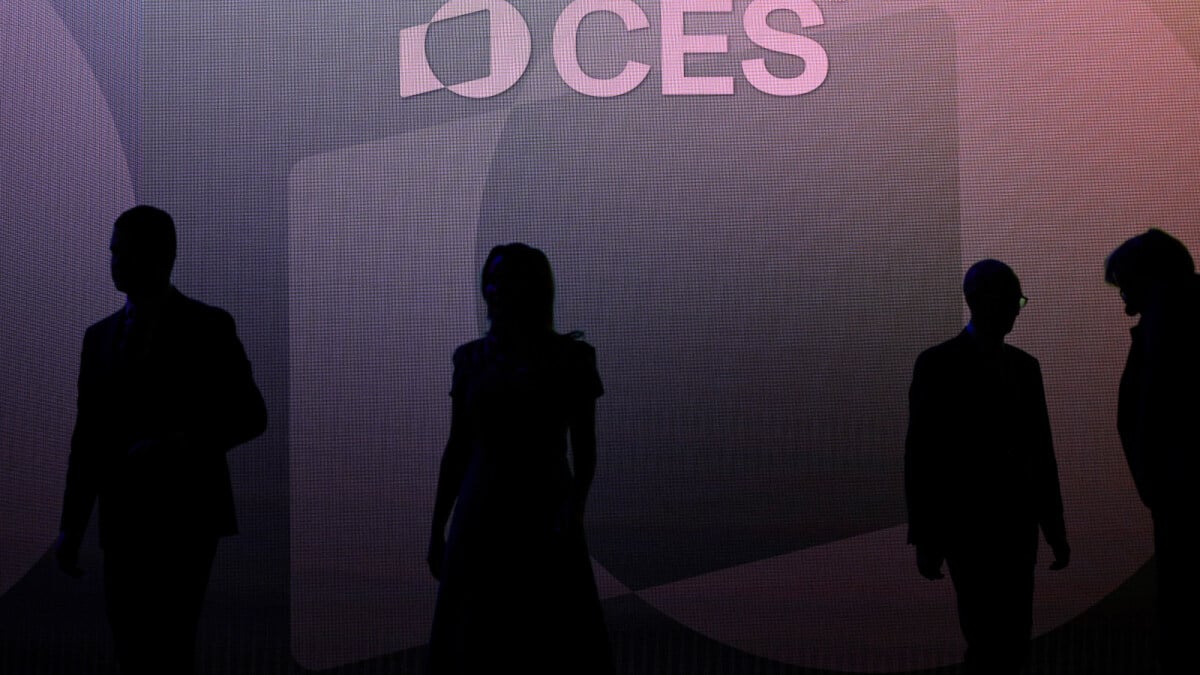
Attention Tech Enthusiasts: Prepare for potential price increases on your favorite gadgets!

The incoming Trump administration has unveiled an extensive economic strategy that controversially proposes substantial tariffs on imported goods. Although the specifics of this plan have reportedly changed in recent weeks, the President-elect maintains that imposing higher tariffs on imports is the most effective way to fund significant tax reductions and curb the influx of illegal drugs and immigrant labor into the United States.
The likely outcome? Consumers will face elevated prices for their beloved foreign-made products, leading to a more expensive shopping experience.
Experts, along with businesses, have cautioned about the impending price hikes, forecasting that Trump’s current tariff proposal could disproportionately impact consumer electronics and goods produced in China. The President-elect’s plan includes universal tariffs on all imports and a potential levy on Chinese products that could reach as high as 60 percent.
CES 2025 highlights: What we’ve seen so far
According to analyses from the Consumer Technology Association (CTA), this policy direction could negatively impact the purchasing power of U.S. consumers in the tech sector, potentially leading to a decline of $90 to $143 billion over the coming year.
Despite these challenges, the consumer technology industry is still projected to achieve multi-billion dollar revenues by 2025, with the CTA anticipating a remarkable $537 billion market. This year may mark a turnaround from the previous one, which experienced lackluster sales in the first half. For now, the industry’s innovators and sales teams remain steadfast in their pursuit of new advancements.
The annual Consumer Electronics Showcase (CES), organized by the CTA, showcased an array of innovations, from stair-climbing robot vacuums (well, sort of) to a laptop that expands into a larger display.
However, Trump’s proposed tariff measures could significantly impact the core products that define CES, including non-automobile lithium-ion batteries that power various portable electronics, televisions, computer accessories, PCs, laptops, tablets, and a multitude of other connected devices, as noted by Business Insider. This year, approximately a quarter of CES exhibitors are comprised of Chinese AI hardware and robotics companies, according to the Information, amid an escalating tech and AI competition between the U.S. and China. In a statement to the Global Times, China’s display manufacturer BOE revealed it has doubled its exhibition space since 2024, with over 1,000 registered Chinese companies participating.
During the CES event in Las Vegas, organizers subtly criticized Trump’s economic strategy in front of an international audience: “To maintain our economies’ vitality and keep inflation manageable, we need policies that foster startup growth, enable businesses to thrive, and cultivate the next generation of tech leaders — policies that establish a framework for tech companies while ensuring safety, privacy, and fairness,” stated CES CEO Gary Shapiro. “In the U.S., this necessitates breaking through political gridlock to implement sensible immigration reforms that promote highly skilled immigration and acknowledging that tariffs represent taxes ultimately borne by American businesses and consumers alike.”
Exhibiting companies at the showcase are adopting a more subdued approach regarding the impending tariffs, often sidestepping discussions about the issue or taking a “wait and see” attitude as they introduce new products.
Mashable Light Speed
“We will continue to monitor global regulations and implement strategic measures to enhance our operational resilience, which includes positioning ourselves closer to markets with a streamlined supply chain, allowing for quicker responses,” stated Lisa Emard, Acer’s Director of Media Relations, in a statement to Mashable. “We collaborate with ODMs (original design manufacturers) for our computer manufacturing, and in some areas, we operate our own final assembly lines to boost our flexibility in meeting local customer demands. Currently, we also maintain manufacturing and assembly capabilities in Australia, Azerbaijan, Brazil, India, Indonesia, Kazakhstan, the Philippines, Taiwan, Thailand, South Africa, and the United States.”
Behind the scenes, companies like Apple have been attempting to reduce their reliance on Chinese supply chains in recent years, with varying degrees of success.
On the consumer front, shoppers are eager to explore a market brimming with innovative products. Here’s how some of CES’s most exciting offerings align with the potential economic landscape of the country.
12 new gadgets from CES 2025 that you can actually buy right now
Discover the Latest Innovations in Vacuum Cleaners
With Chinese manufacturers swiftly dominating the market for home cleaning devices, consumers may experience the first signs of the tariff impact while shopping for vacuum cleaners, particularly the robotic variety which has gained immense popularity.
This year at CES, exhibitors showcased a formidable lineup of new robotic vacuums. The Roborock Saros Z70 features an extendable arm designed to help navigate around obstacles in its path, while the Dreame X50 Ultra is engineered to effortlessly traverse thresholds that other vacuums struggle with, provided they are no taller than two inches.
Anticipated Price Increases for Computers, Tablets, and Smartphones
The latest report from the CTA suggests that Trump’s economic initiatives could lead to an increase in the average price of laptops and tablets by as much as 47 percent — translating to a price hike of $200 to $350. This surge in prices is expected to significantly affect overall laptop sales, which could plummet by 68 percent in 2025, according to the CTA’s forecasts.
Consumers interested in acquiring the innovative Lenovo ThinkBook Plus Gen 6 Rollable (a laptop that can expand its display) or Nvidia’s cutting-edge personal AI supercomputer may want to act quickly. Upcoming products from renowned brands such as Alienware and Acer may also feel the pressure of impending price adjustments, impacting monitors like LG’s highly anticipated 5K2K bendable gaming monitor.
Gaming Consoles: Brace for Price Hikes
The CTA predicts that gaming consoles could see an average price increase of $250, which could lead to a staggering 58 percent drop in sales.
Among the notable gaming products showcased at CES are the handheld hybrid Acer Nitro Blaze 11 and the third-party SteamOS-powered Lenovo Legion Go S.
Smart TVs and Their Future in the Market
As artificial intelligence continues to revolutionize the somewhat saturated smart TV market, these products may face price increases of up to nine percent under the new tariff regulations.
At CES, Samsung unveiled its Neo QLED, OLED, and QLED models along with The Frame, while LG presented its OLED evo series, all featuring advanced AI capabilities. Additionally, Samsung and LG announced collaborations with Microsoft’s Copilot AI, and Google disclosed plans to integrate Gemini AI into televisions as well.
Battery-powered TVs, such as LG’s StanByMe 2, could also see a price increase.
The Impact of Tariffs on Tech-Enhanced Vehicles
Trump’s tariff strategy could also lead to increased vehicle prices in the U.S., including those from American manufacturers, with some experts estimating a potential price rise of $600 to $2,500 per vehicle. While vehicles assembled in Canada, Mexico, and China would face specific tariffs, the status of other foreign models remains uncertain.
At CES, attendees were introduced to the AFEELA 1 Signature, a collaborative effort between Sony and Honda, which featured advanced LiDAR cameras, touchless doors, and a Sony PlayStation 5 controller for gaming. This innovative vehicle is already priced at a six-figure sum.
var facebookPixelLoaded = false;
window.addEventListener(‘load’, function(){
document.addEventListener(‘scroll’, facebookPixelScript);
document.addEventListener(‘mousemove’, facebookPixelScript);
})
function facebookPixelScript() {
if (!facebookPixelLoaded) {
facebookPixelLoaded = true;
document.removeEventListener(‘scroll’, facebookPixelScript);
document.removeEventListener(‘mousemove’, facebookPixelScript);
!function(f,b,e,v,n,t,s){if(f.fbq)return;n=f.fbq=function(){n.callMethod?
n.callMethod.apply(n,arguments):n.queue.push(arguments)};if(!f._fbq)f._fbq=n;
n.push=n;n.loaded=!0;n.version=’2.0′;n.queue=[];t=b.createElement(e);t.async=!0;
t.src=v;s=b.getElementsByTagName(e)[0];s.parentNode.insertBefore(t,s)}(window,
document,’script’,’//connect.facebook.net/en_US/fbevents.js’);
fbq(‘init’, ‘1453039084979896’);
fbq(‘track’, “PageView”);
}
}



 Daniel Mercer