David Bridges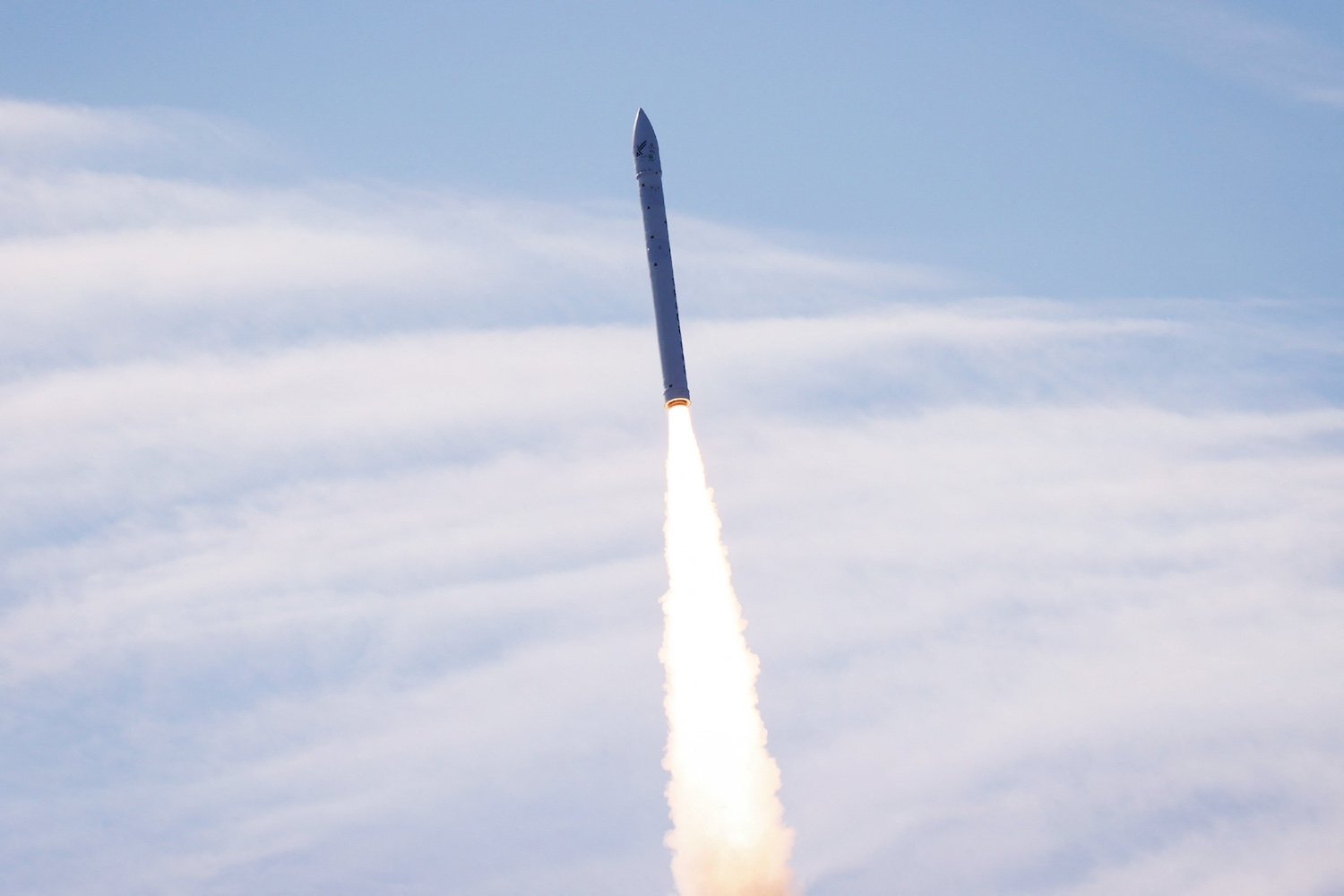
Japanese Startup Faces Setback in Solid-Fuel Rocket Launch Attempt
A Japanese startup’s latest endeavor to successfully launch its solid-fuel rocket ended in disarray, as the Kairos rocket spiraled uncontrollably just minutes after liftoff. This launch failure represents yet another significant hurdle for Japan’s burgeoning private space industry, which has already encountered a series of explosive mishaps earlier this year. The challenges faced by these startups underscore the complexities and high stakes involved in commercial space exploration.

Kairos Rocket Launch: Initial Success Quickly Turns to Disaster
Japan’s Space One initiated the launch of its Kairos rocket on Wednesday from the company’s Spaceport Kii launch pad located in Kushimoto, Wakayama Prefecture. At the outset, the rocket’s flight trajectory appeared stable and promising. However, within a brief span of two minutes post-liftoff, the situation deteriorated significantly. The Kairos rocket reportedly lost control over its orientation, leading to a disastrous tumble back towards Earth. According to Space One director Mamoru Endo, the rocket self-destructed after detecting critical abnormalities related to the first-stage engine nozzle control and trajectory deviations, as he explained during a post-launch briefing covered by Reuters.
Payload Details: Aiming for Satellite Deployment
The Kairos rocket was tasked with carrying five small satellites, which included contributions from the Taiwan Space Agency and Japanese enterprises such as Lagrapo, Space Cubics, Terra Space, and one additional unidentified client. This mission was pivotal for Space One as it marked the company’s second attempt to position itself as Japan’s inaugural commercial entity capable of independently deploying satellites into Earth orbit. Notably, Japan’s space agency, JAXA, has achieved this milestone through various partnerships, including collaborations with Mitsubishi Heavy Industries.
Previous Launch Challenges: A Rocky Start for Kairos
This second attempt follows a previous launch in March, where the Kairos rocket tragically exploded just seconds after it cleared the launch tower in Wakayama Prefecture. The autonomous self-destruct mechanism was activated due to irregular flight parameters roughly five seconds after launch, with the rocket carrying an experimental satellite intended for the Japanese government. These setbacks highlight the inherent difficulties faced by new entrants in the competitive space sector.
Specifications of the Kairos Rocket: Designed for Competitive Launches
The Kairos rocket features a three-stage design, combining solid-fuel engines with a liquid-fuel post-boost stage, and is engineered to transport payloads weighing up to 550 pounds (approximately 250 kilograms) into low Earth orbit. Standing at an impressive height of 59 feet (18 meters), Space One aims to establish itself as a serious contender against industry giants like SpaceX and Rocket Lab, with aspirations to deliver satellites to space efficiently and at a lower cost. The company has set ambitious goals to launch 30 rockets per year by the 2030s, as reported by Kyodo News. However, achieving this target may require additional time and refinement of the Kairos rocket, which bears similarities to Rocket Lab’s Electron rocket.
Space One’s Perspective: Learning from Setbacks
Following the launch failure, Space One president Masakazu Toyoda conveyed to reporters that they do not perceive this incident as a definitive failure. He emphasized that the data collected and experiences gained from this attempt are invaluable, and he expressed optimism that these insights will be instrumental in overcoming future challenges. This perspective showcases a resilient attitude crucial for innovation in the ever-evolving landscape of space exploration.
JAXA’s Efforts in the New Space Era: Aiming for Success
Meanwhile, JAXA is actively striving to maintain its competitive edge in this new era of space exploration. Despite facing its own challenges, JAXA successfully launched its new H3 rocket on a second attempt in February. In contrast, Japan’s Epsilon S rocket unfortunately met with disaster during a test in late November. These developments highlight the intense competition and the continuous evolution of Japan’s space initiatives.


 Daniel Mercer
 Brandon Fletcher