David Bridges

Discovering new features on social media platforms can be quite intriguing.
Currently, Facebook is experimenting with an innovative feature that allows users to append a note to their Stories, indicating that the selected image has not been edited within the app. This move could significantly enhance the transparency and authenticity of content shared on the platform.
In this example shared by app researcher Radu Oncescu, select users can now perform a long tap on any image from their camera roll, allowing them to share the image directly without needing to navigate through the standard editing tools. This simplified process encourages spontaneous sharing and enhances user engagement.
Such a feature would streamline the sharing process for users wanting to provide real-time updates without the distraction of editing. Additionally, it introduces a new label to enhance the Story frame, indicating the image’s authenticity.
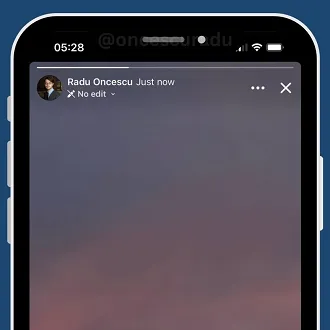
In theory, this feature could enhance the perceived authenticity of shared content by indicating that the image remains unaltered, free from manipulations by AI or any other editing methods. This assurance can foster trust among users who seek genuine experiences on their social media feeds.
However, it’s important to note that users still have the option to edit their images using other applications before uploading them to Stories. Meta has implemented some detection capabilities to identify external edits, but these systems may not catch all alterations. Thus, users could potentially modify their images and still apply this ‘No Edit’ tag.
Despite this, the concept could promote a higher degree of trust, especially as more artificial intelligence-generated content infiltrates Meta’s platforms. Users are increasingly concerned about the authenticity of what they see, given the rising prevalence of AI-generated posts.
With the integration of AI, discerning the authenticity of social media content is becoming more challenging. This presents a significant drawback as platforms like Facebook push more generative AI features, leading to a proliferation of content that may not accurately reflect user experiences. Consequently, this trend could undermine the essence of social interaction on these platforms.
Meta has already introduced labels for distinguishing AI-generated content and unique watermarks for images created within its applications. This initiative aims to provide clarity and ensure that users can identify content generated by artificial intelligence versus that created by human users.
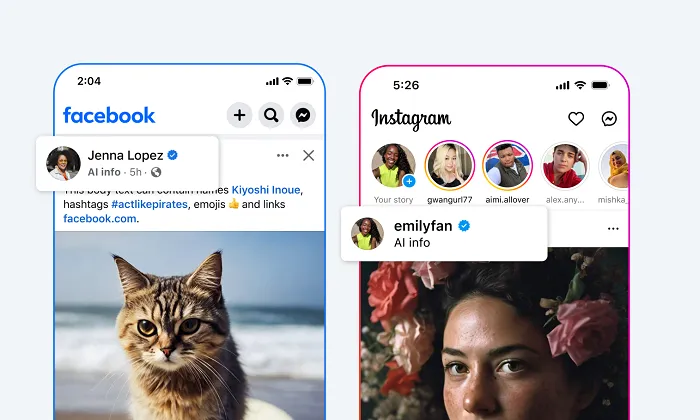
Nevertheless, these measures may not necessarily extend to images altered outside Meta’s ecosystem, which can pose complications for users attempting to discern the authenticity of shared content.
While the introduction of a “No Edit” tag seems promising and could assist in various scenarios, one must consider the potential for misuse. If adopted widely, some users might leverage this tag to mislead others by sharing externally modified images while still labeling them as untouched.
Personally, I struggle to find value in generative AI tools for image and post creation, as they tend to diminish authentic human interaction on social media platforms. This trend represents a regression, and the fact that Meta is introducing tags like this further emphasizes the demand for genuine, unedited content in user feeds.
While I recognize the potential benefits of this feature, the gradual erosion of genuine human contributions due to AI poses a larger issue that social media platforms are actively contributing to. This ongoing trend necessitates careful consideration and reflection on the future dynamics of online interaction.


 Maya Kensington
 Tessa Everly